Iran’s economy is facing renewed strain as its currency continues to weaken sharply, inflationary pressures intensify, and geopolitical tensions raise the risk of further disruption to global oil supply routes.
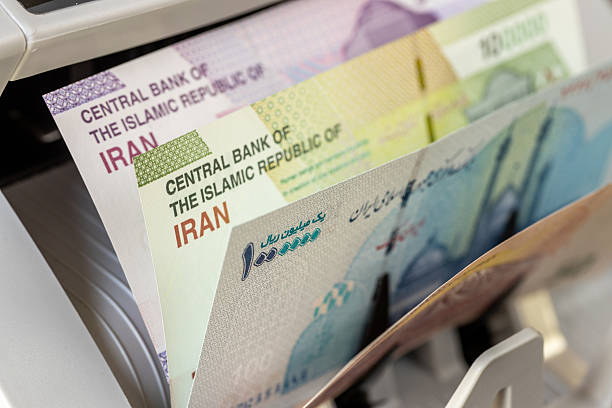
The Iranian rial has continued to decline against the U.S. dollar in recent weeks, reflecting growing uncertainty tied to the ongoing war and its economic fallout. The currency’s drop highlights deeper structural weaknesses in Iran’s economy, which has long been constrained by sanctions and limited access to global financial systems, an analysis by CNBC detailed.
The weakening rial is feeding into inflation, driving up the cost of imports and eroding purchasing power for households across the country. In fact, the International Monetary Fund estimates the country’s economy will shrink by 6.1% this year.
Concerns are also mounting over the fate of the Strait of Hormuz, a critical global shipping route through which a significant share of the world’s oil supply passes, as both the U.S. and Iran continue their blockades.
Oil prices have already shown sensitivity to developments in the region, with markets reacting quickly to any indication of heightened risk to shipping routes, as noted in reporting by Reuters. Over 90% of the country’s annual trade goes through the waterway.
Iran’s economic challenges are not new but have been intensified by current conditions. Years of sanctions have restricted oil exports and access to foreign currency, limiting the government’s ability to stabilize the economy.
The regime killed thousands of protesters who took the streets earlier this year to demonstrate against the economic crisis. Last year, inflation stood above 50% and the rial weakened by 60% in the months after the war with Israel and the U.S.’s bombings of nuclear sites last June. CNBC also detailed that food inflation accelerated by 105% in February.
Economic instability has also been compounded by reliance on oil revenues, leaving the country exposed to fluctuations in global energy markets and geopolitical developments.
Energy markets are already pricing in geopolitical risk premiums, with traders adjusting positions based on evolving tensions and the potential for supply disruptions, according to analysis published by The Wall Street Journal. Brent crude oil has stood above $100 for two days in a row as perspective of a quick end to the blockades fades.