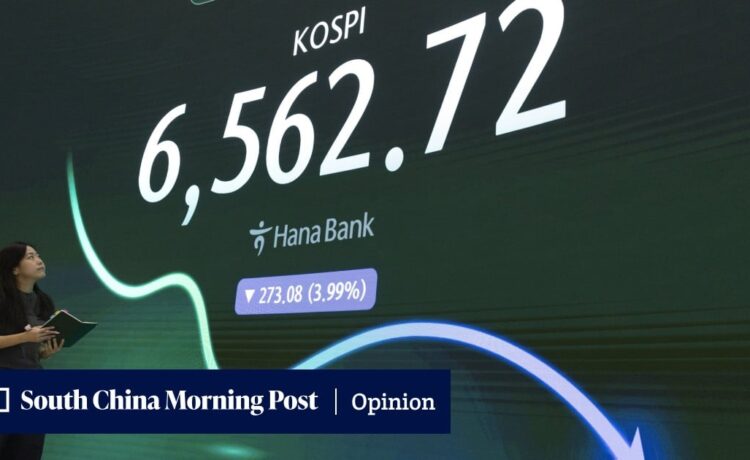
Doom-mongering pervades financial markets, especially these days when there are mounting concerns about a rise in interest rates and an artificial intelligence-fuelled bubble in stock markets. The alarmism invariably stems from attempts by commentators and analysts to connect the dots, many of which are unlikeable or misperceived.
Nowhere is this more apparent than in Asia. Nearly 30 years after the Thai baht lost its peg to the US dollar, causing widespread contagion across the region that morphed into a full-blown systemic crisis, comparisons are being drawn between today’s vulnerabilities and the ones that brought about the 1997 Asian financial crisis.
In a report on August 31 titled “Nope, it’s not 1997”, HSBC said that while the differences between the current threats facing the region and those in the run-up to the crisis “outweigh the similarities”, there are some parallels. The bank pointed to the sharp rise in US Treasury yields, the collapse in the Japanese yen and excessive optimism in the technology sector.
While all three of these risks pose a threat to financial stability, they have nothing to do with the policy-related and structural weaknesses that were at the root of the 1997 crisis. Not only are there no parallels, the main victims of the crash – Thailand, Malaysia, Indonesia and South Korea – have rid themselves of the financial and regulatory deficiencies that amplified the shock soon after the crisis erupted.
Rigid currency pegs were jettisoned, monetary policy was tightened sharply, concerted action was taken to stem capital outflows and reforms to address severe weaknesses in the corporate and financial sectors were implemented. Malaysia even imposed capital controls for a short period.
According to the International Monetary Fund, which provided financial support for the most vulnerable countries in exchange for the enactment of tough reforms, “strategies adopted proved successful in restoring financial market confidence and stability, and in achieving a resumption of economic growth, in most cases by late 1998.”