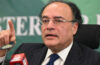
U.S. Treasury Secretary Scott Bessent called Ukrainian strikes on Russian oil infrastructure one of the causes of the global energy crisis. He spoke after a meeting of G20 finance ministers in North Carolina, to which Anton Siluanov, Russia’s finance minister, was invited for the first time since the start of the war.

“Ukraine has decided that they want to blow up Russian energy assets and refined products,” Bessent said on Fox News, adding that the attacks were contributing to an energy shock and putting upward pressure on prices globally. He also cited the U.S. war with Iran, but stressed that the conflict would come to an end.
Siluanov’s presence at the summit — and his bilateral talks with Bessent — drew criticism from Ukraine’s allies. Anton Gerashchenko, a former adviser to Ukraine’s interior minister, pushed back on Bessent’s remarks, arguing that his framing transforms Ukraine “from a victim of Russian aggression into a cause of a global problem” and “reverses cause and effect.” The energy crisis, he said, is driven primarily by wars, and the U.S.–Iran conflict has had a far greater impact on global markets.
Gerashchenko stressed that the United States wants to cut Russia’s energy revenues without reducing Russian energy supplies to global markets, and that rising gas prices ahead of November’s midterm elections have forced the Trump administration to find a “convenient explanation.”
Those elections and fears of another spike in fuel prices have already slowed passage of a new sanctions bill targeting Russia in the House of Representatives, Bloomberg reported.
The bill was drafted by the late Senator Lindsey Graham of South Carolina. It would allow the United States to impose tariffs of up to 100 percent on imports from countries that are among the largest buyers of Russian oil and gas — chiefly China, India, and Turkey. The Senate passed it by an overwhelming majority in August, but the House has been less receptive, with lawmakers concerned that removing Russian oil from the global market could push gas prices even higher amid the war with Iran.
Ukraine is trying to persuade Congress not to delay the sanctions. Vladyslav Vlasiuk, the Ukrainian president’s commissioner for sanctions policy, traveled to Washington this week to meet with members of Congress and said Ukraine was “quite optimistic” about the level of support for the bill. “Everyone agreed that it was necessary to increase pressure on Russia,” Vlasiuk said. “No one said that he definitely would not support this bill.”
The European Union, meanwhile, is weighing new restrictions on Russia. After Germany blamed Moscow for a failed drone attack at Leipzig Airport, European diplomats plan to discuss curbing tourist visas for Russians, restricting Russian diplomats’ travel within the EU, and sanctioning additional vessels in Russia’s “shadow fleet,” Bloomberg reported.
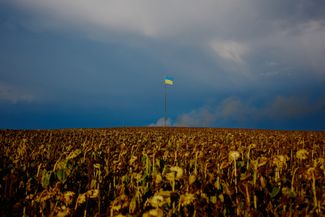
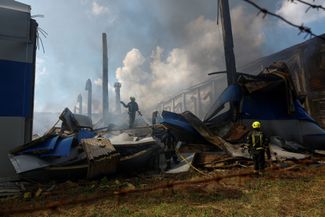
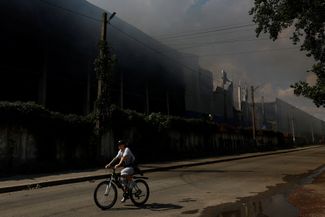
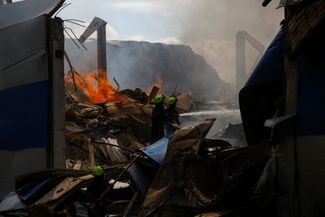
The war in photos: Brovary, Kyiv region
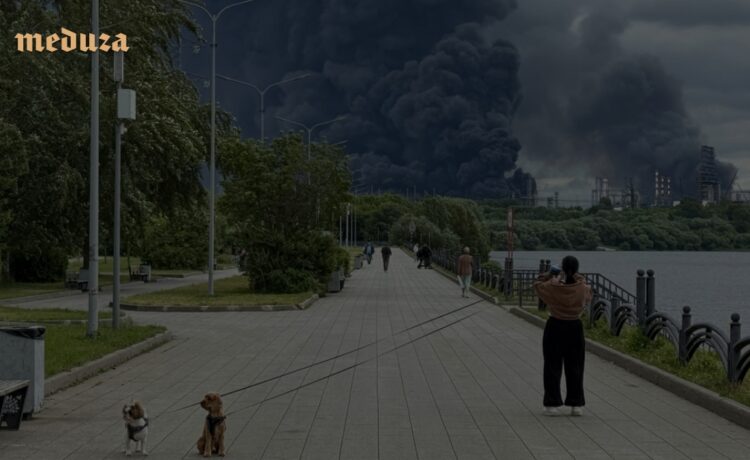
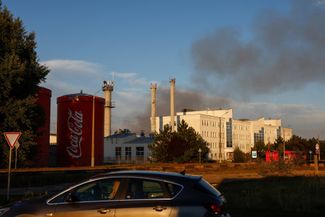
Industrial sites in the Brovary district of the Kyiv region have been burning for a second straight day after Russian strikes. A drone hit a Coca-Cola plant on September 3, and warehouses caught fire after another strike on the morning of September 4.
At Meduza, we are committed to transparency about our use of artificial intelligence in the newsroom. The story you’re reading was written by one of our living, breathing journalists and translated from Russian using an AI model configured to follow our strict editorial standards. This translation process is the result of extensive testing and refinements to ensure our English-language coverage is timely and accurate. A Meduza editor reviews every draft before publication.
If you find any errors in this translation, please contact us at [email protected].
To read Meduza’s exclusive content in English, please subscribe to our newsletter.
Meduza
Cover photo: AFP / Scanpix / LETA