
Ten major European banks have formed a consortium to launch a euro-backed stablecoin by mid-2026, in a decisive push to counter U.S. dollar dominance in the $300+ billion global stablecoin market.
BNP Paribas joined nine European lenders, including ING, UniCredit, CaixaBank, Danske Bank, SEB, Raiffeisen Bank International, Banca Sella, KBC, and DekaBank, to develop a MiCA-compliant digital payment instrument through a newly established entity called Qivalis, based in Amsterdam.
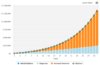
The initiative comes as European regulators grow increasingly concerned about the bloc’s overwhelming reliance on dollar-denominated tokens, which account for 99.58% of the market, while euro-pegged alternatives remain marginal, with just $649 million in circulation.
Source: DefiLlama
Qivalis has assembled an experienced leadership team to guide the project from regulatory approval through commercial launch.
Jan-Oliver Sell, former Managing Director at Coinbase Germany who secured the first crypto custody license from BaFin, will serve as CEO alongside CFO Floris Lugt, who previously led Digital Assets Wholesale Banking at ING.
Sir Howard Davies, former Chairman of the Financial Services Authority and RBS, will chair the Supervisory Board, bringing decades of regulatory and banking expertise to the initiative. All appointments remain subject to regulatory approval.
The consortium already applied for an electronic money institution license with the Dutch Central Bank.
“The launch of a euro-denominated stablecoin, backed by a consortium of European Banks, represents a watershed moment for European digital commerce and financial innovation,” Sell said, emphasizing that the initiative addresses monetary autonomy concerns in the digital age.
The consortium remains open to additional banks joining the initiative, aiming to drive broader industry participation in the payment innovation.
The banking initiative follows mounting warnings from European financial authorities about the dangers posed by dollar-backed tokens.
Dutch central bank governor Olaf Sleijpen cautioned that rapid stablecoin growth could force the ECB to reconsider monetary policy if instability triggers mass sell-offs of underlying assets, primarily U.S. Treasuries.
“If stablecoins in the US increase at the same pace as they have been increasing, they will become systemically relevant at a certain point,” he told the Financial Times, acknowledging uncertainty over whether the central bank would respond with rate cuts or increases.