Several EU countries already have well-established preparedness measures. Photo credit: Skylines/Shutterstock
While talk of World War three has grabbed media attention households across the United Kingdom and Europe are being reminded to prepare basic survival kits capable of sustaining families for three days in the event of a major crisis. The guidance comes from the European Union’s Preparedness Union Strategy, which recommends that all citizens should be able to manage 72 hours of self-reliance without outside assistance. The strategy aims to help people cope with emergencies such as military threats, natural disasters, cyberattacks, power outages, or other disruptions to essential services. The EU emphasises that preparedness is a practical measure to reduce panic and ensure that families can care for themselves safely in the first critical days of a crisis.
What should go in a kit?
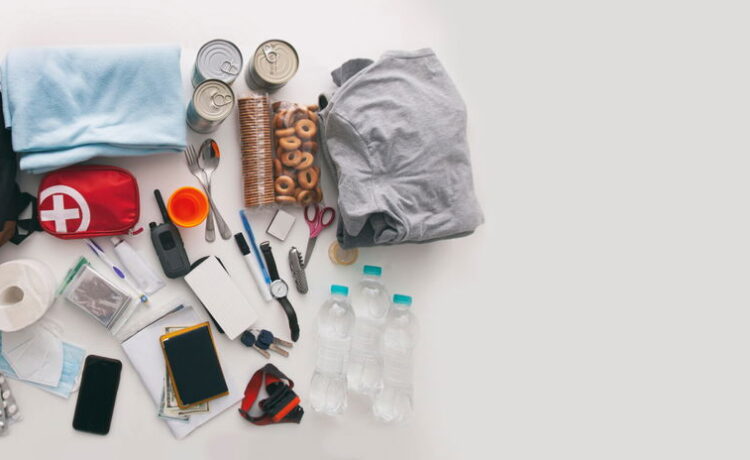
EU crisis management commissioner Hadja Lahbib outlined the key components of a survival kit, stressing practical items that would enable households to remain self-sufficient for 72 hours. Suggested supplies include:
Ms Lahbib shared a demonstration video showing her own emergency kit, which also included a Swiss army knife and playing cards to maintain morale during stressful periods. She highlighted that preparing in advance helps reduce panic, referencing empty supermarket shelves during the early days of the COVID-19 pandemic as an example of how quickly supplies can run short.
European nations leading the way
Several EU countries already have well-established preparedness measures. In Sweden, authorities recommend that households maintain water, energy-rich foods, blankets, and a battery-powered radio. Norway advises citizens to stock non-essential medicines, including iodine tablets in case of a nuclear incident. Germany has encouraged households to adapt basements, garages, or storage rooms as makeshift bunkers, while Poland now requires safe shelters in new residential buildings.
Finland has long provided guidance on household resilience, with former president Sauli Niinistö contributing advice to the European Commission on the importance of preparing citizens for emergencies. France, Denmark, the Netherlands, and other countries have produced pamphlets or mobile applications advising households on what to do in the event of a national crisis, ranging from severe weather to military threats.
Why it matters
Being prepared is a practical safeguard in uncertain times. Military threats, extreme weather events, wildfires, power outages, and supply shortages have affected parts of Spain and other European countries in recent years. For expatriates living in Spain, who may have more limited access to local services or support networks, having an emergency kit can be particularly valuable.
A 72-hour kit containing bottled water, non-perishable food, medicines, first-aid supplies, torches, and copies of important documents enables households to manage short-term crises safely and comfortably. Beyond the practical benefits, preparation also provides peace of mind, giving families confidence that they can respond effectively in an emergency. Even small measures, such as keeping essential items accessible, can make a significant difference for households with children, elderly members, or those living in more remote areas. The EU recommends regular checks of supplies to ensure food and medicines remain suitable and that all household members are familiar with emergency procedures.
Practical advice for expats
For British and other expatriates in Spain, preparing a survival kit is a sensible step. Emergencies such as wildfires, flooding, storms, or temporary supply disruptions can affect daily life, particularly in more isolated locations. Households should consider keeping essentials in a designated bag or waterproof container, including water, long-life food, a first-aid kit, torches, spare batteries, medicines, and important documents.
Public awareness campaigns across Europe underline that preparedness is not about creating alarm but about resilience. Being ready allows families to remain self-sufficient for the first critical 72 hours, reducing reliance on emergency services and helping communities recover more quickly.
The EU’s guidance is broader, designed to enhance readiness for a range of serious emergencies. Maintaining a well-prepared emergency kit allows households across Europe, including expatriates in Spain, to respond effectively to disruptions, from extreme weather and power outages to military threats. By taking simple, practical steps such as storing essential supplies and checking kits regularly, families can protect themselves, reduce stress, and navigate crises with greater confidence and safety.