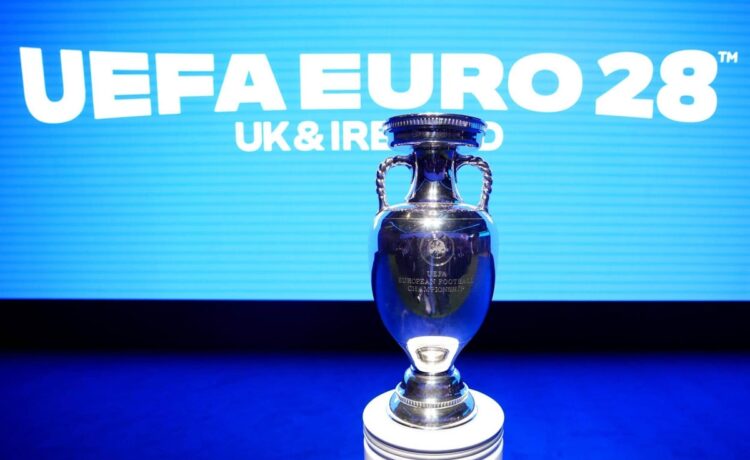
The organisers of the 2028 European Championship have promised that they will not use dynamic pricing to sell the three million tickets available for 51-game tournament in the United Kingdom and Ireland.
Dynamic pricing is a flexible model that reacts to demand, with prices rising rapidly when demand is high and falling — but often not quite so quickly — when demand is low.
While most consumers have got used to the idea when booking flights or hotel rooms, football fans, particularly in Europe, have reacted angrily to FIFA’s decision to use it at next year’s World Cup, which is largely being staged in the United States, where the practice is more established for sports and entertainment.
That is not the case in Europe, though, and while current ticket prices for next summer’s World Cup appear to suggest that many fans will pay the high costs dictated by dynamic pricing, this is a gamble that UEFA and the governing bodies of the four host nations for Euro 2028 — England, Ireland, Scotland and Wales — do not want to take.
Speaking at the official launch of the tournament’s brand and match schedule in London on Wednesday, English FA chief executive Mark Bullingham said: “There won’t be any dynamic ticket pricing — I think that’s really well-established.
“There is a model that we’re really comfortable with, and we spent a couple of hours working through that, amongst other things, at a board meeting today.
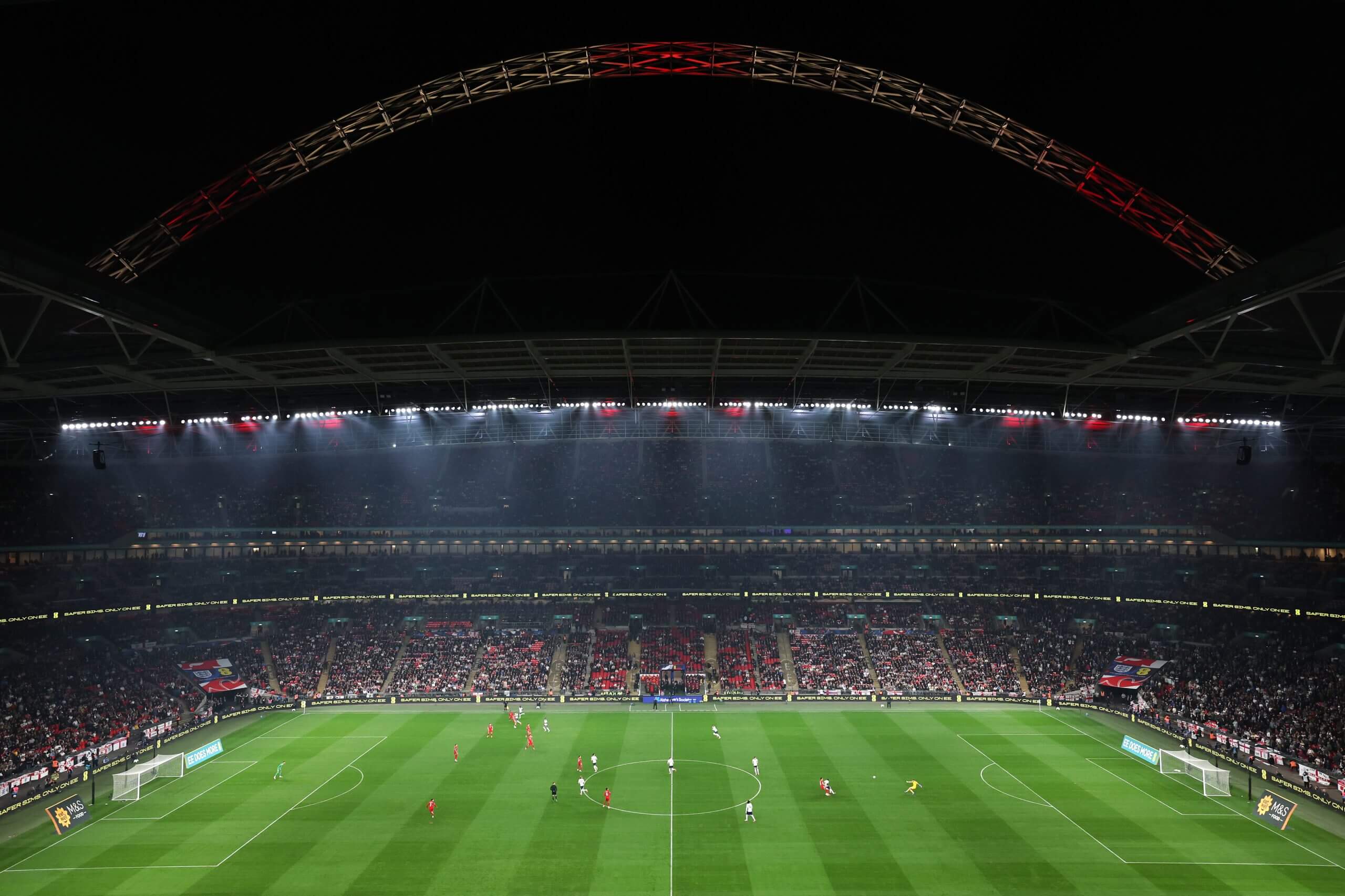
Wembley will host the Euro 2028 final and semi-finals (Justin Setterfield/Getty Images)
“I think a couple of basic principles: one is no dynamic ticket pricing, and the other one is approximately half of the tickets will be in Category Three, and also the Fan First category, which is the category below that. So, we’re really confident there’ll be a lot of accessible ticket prices.”
When FIFA announced its prices for the World Cup last month, fans’ groups strongly criticised the high prices and scarcity of tickets in more affordable price-bands. Since then, FIFA’s “variable pricing” strategy has kicked in, sending those prices even higher — hundreds of dollars for the cheapest tickets and thousands for the most expensive.
FIFA has defended its strategy by pointing out it is a non-profit organisation that reinvests all of its profits back into the game, and the men’s World Cup is by far its biggest earner.
Bullingham said ticket prices would not be revealed until late 2027 but he, and all the other officials linked with the tournament present at the launch, stressed that finding a balance between generating money for the wider game and affordability for fans was the priority. This would suggest that an entry-level ticket for group-stage games will be comparable to the €30 (£26) ticket that was available at Euro 2024 in Germany.
“Right in the front of our minds is that this needs to be an affordable Euros to a significant number of people,” said FA president Debbie Hewitt.
“UEFA has never pushed back on that. We have all been clear that the revenues from this tournament are crucial because they get redistributed into football, so it’s no point saying ‘it’s free, everyone come along’ because we won’t do right by the game.
“But it’s equally true that we give thought as to how we make sure that as many as possible can access the tournament at an affordable price.”
Euro 2024 in Germany, which was widely praised for being fan-friendly, also featured free travel in the host cities on match days for ticket-holders. Bullingham said that was “unlikely” at Euro 2028 but “we’re working on a plan to subsidise” travel to and from games.
He also said Euro 2028’s organising team have “lots to learn” from Germany’s successful staging of the tournament but they were “confident we’re going to host the biggest Euros ever and hopefully one people will view as one of the best”.
One change they are making is the decision to move the final three hours earlier, from 8pm local time to 5pm, as that will give supporters more options in terms of travel and accommodation.
It should also help prevent the possibility of any repeat of the scenes that marred the final of Euro 2021 at Wembley Stadium, when around 2,000 ticketless fans gained entry to the ground and there was considerable disorder outside.
Bullingham said the FA and UEFA were sure there would be no repeat of that in 2028, pointing out the improvements in security and crowd control made since then and the fact that Wembley has staged dozens of major events since without major problems.