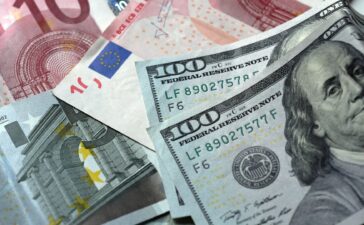
Out with the old – The current euro banknotes, in use for over a decade, will be gradually replaced starting in 2026 with fresh new designs.
Credit : BurAnd, Shutterstock
New designs, famous faces and a touch of nature — here’s what your wallet will look like in a few years
Let’s be honest — Most of us don’t pay much attention to the design of our euro banknotes, beyond checking if we’ve got enough for coffee or rent. But starting in 2026, that’s all about to change.
The European Central Bank has announced a full redesign of all euro notes — and this time, they’re going for something that actually feels, well… a bit more human. Think birds, rivers, waterfalls, and even some of Europe’s most inspiring cultural icons. Yes, your fiver might soon come with a songbird or Maria Callas instead of a bridge from nowhere.
Why euro banknotes are being redesigned in 2026
If you’re wondering why Europe’s giving its money a makeover, it’s not just about aesthetics. The current notes have been around for over a decade and, let’s face it, they’ve aged about as well as those early 2000s flip phones.
The redesign is partly about upgrading security features — making notes harder to fake and more durable — but it’s also about making them more relatable. After all, Europe isn’t just about anonymous architecture. It’s about people, places, history — and the occasional stork flying over a river.
So, the ECB asked the people what they’d like to see on their money. Over 365,000 Europeans responded. The message was clear: give us something we recognise, something that reflects the world we live in.
The result? A mix of two new themes: one focused on nature, the other on culture.
New euro banknote designs: nature, culture and iconic figures
Let’s start with the nature version. These designs will highlight the rich biodiversity of Europe, pairing landscapes with birds you’d actually spot in the wild.
- €5: A mountain spring and a cheerful little songbird
- €10: A waterfall with a kingfisher mid-dive
- €20: A winding river valley with bee-eaters nesting along the cliffs
- €50: A white stork soaring over river bends
- €100: A tidal estuary with an avocet gliding above the mudflats
- €200: Open sea, rolling waves and a gannet in flight
On the back of these notes? Sketches of EU institutions — a reminder that this whole euro experiment is meant to keep Europe steady and united.
Now, if nature isn’t your thing, the second set of notes will feature famous Europeans who left their mark over the past six centuries. Here’s the line-up:
- €5: Maria Callas – the voice that could shake a theatre
- €10: Beethoven – because, well, Beethoven
- €20: Marie Curie – trailblazing scientist and Nobel Prize winner
- €50: Miguel de Cervantes – father of Don Quixote
- €100: Leonardo da Vinci – no intro needed
- €200: Bertha von Suttner – peace activist, long before it was trending
Each reverse side will show scenes inspired by European life — from libraries to gardens — giving these notes a bit of everyday charm.
Will your old notes still be valid?
Short answer: yes. The ECB isn’t pulling the plug all at once. The transition will be gradual, and old notes will stay in circulation for years to come. No need to rush and spend every last €50 before the deadline.
The production itself will happen in 11 secure printing sites across Europe, then handed over to each country’s national bank to distribute based on demand.
So, you won’t be waking up in 2026 to find your wallet full of out-of-date paper. But over time, those new notes will start appearing — and we think you’ll notice the difference.