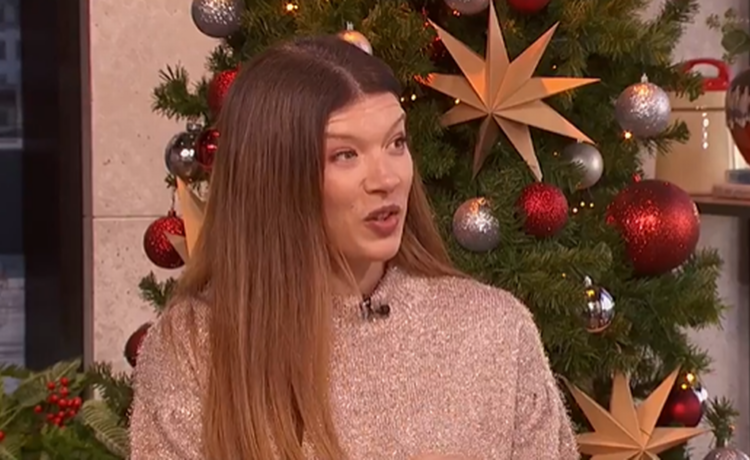
Draw downs allow Brits to take 25% out of their pension pot tax free and leave the rest invested, and the amount of people opting for this approach has increased dramatically
A BBC finance expert has offered Brits crucial advice on their pensions – as new figures reveal a staggering increase in people drawing down on them.
The figures, published by the Financial Conduct Authority (FCA), found that the number of pension plans being accessed for the first time increased by 8.6% on the previous financial year.
The sale of draw down policies saw the biggest rise, with almost 350,000 being accessed in the last tax year.
Draw downs allow Brits to take 25% out of their pension pot tax free and leave the rest invested.
Finance expert Laura Pomfret told BBC Morning Live: “So pension draw down is a great flexible retirement option – it lets you take money from your pension pot when you need it but it keeps the remaining funds invested.
“And this increased massively after the pensions freedoms work that went on in 2015 when draw downs became more mainstream.
“Typically more people had had an annuity before then – you get more control over where it’s invented and how often you access it
“And times are tough right now, I can imagine that’s why maybe people are accessing it more.”
There are various benefits to draw downs – Brits can work part time after retirement age and choose how much to withdraw and when. Leaving the rest invested could also help to beat inflation.
Brits can also draw down on their pensions in chunks. A portion can be removed, 25% of which is tax free, and the remainder is taxed – offering a good option for people who don’t need the lump sum.
However, anyone considering this should be cautious as they could be pushed into a higher tax band.
Laura went on: “Also, you can make your withdrawals tax efficient…so you can decide when to push go and take that income,, because pension income outside of our tax free lump sum is taxable as normal income and a lot of people forget that.”
The Chancellor previously confirmed a 4.8% increase in the state pension from next April. The rise, sparked by the government’s “triple lock,” will boost the full new State Pension to £12,548 a year – just £22 shy of the current personal allowance, meaning many retirees will soon start paying income tax for the first time.
Experts have cautioned that the freeze on income tax thresholds until 2031 will allow this stealth tax to gnaw even deeper into pensioners’ incomes. By April 2027, anyone receiving the full State Pension will cross the income tax threshold, making them liable for tax on money they currently enjoy tax-free.