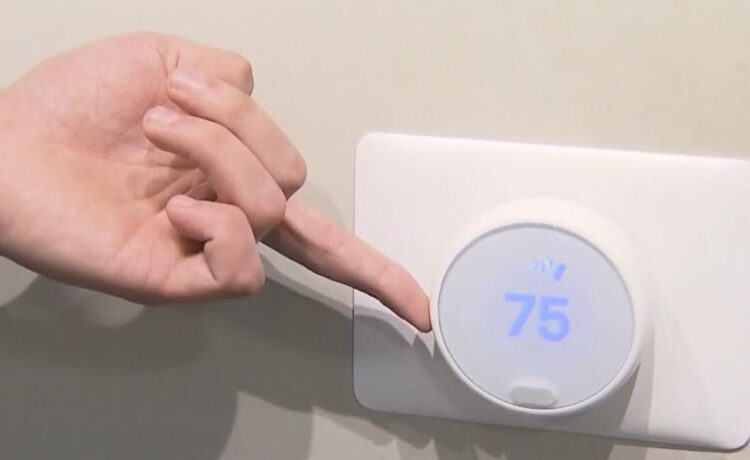
As the temperatures drop, some North Carolina families may be scrambling to figure out how they’ll pay to heat their homes.
Thousands of North Carolinians use the Low Income Home Energy Assistance Program (LIHEAP), a federally funded program, to help pay for their heating bills.
This week, the North Carolina Department of Health and Human Services announced it had not received funding from federal partners for LIHEAP. Due to the delay, social services departments across the state cannot take applications.
Originally, people over 60 years old or those who are disabled and receiving services through the NC Division of Aging and Adult Services would have been able to sign up for assistance starting December 1.
NC DHHS told WRAL more than 126,000 households use the program to help pay their heating bill.
“We are closely monitoring the situation and will notify the public as soon as the funding is received and the application process begins,” a NC DHHS spokesperson told WRAL.
Just days after the official announcement, a group of pastors told WRAL they’re worried about their community struggling to make ends meet this winter.
“Families are forced to make choices that they really don’t want to make. Do I take care of my family in terms of food, basic fundamental needs while we continue to see energy prices rise?” said Pastor Robert Walker-Smith with Progressive Missionary Baptist Church of Raleigh.
Congress did allocate around $4 billion for the LIHEAP program nationwide.
A spokesperson with the U.S. Department of Health and Human Services sent a statement to WRAL:
“The Administration for Children and Families (ACF) is moving swiftly to distribute annual awards and restore essential services that were stalled when the Democrat-led shutdown obstructed the Department’s ability to serve the nation’s most vulnerable families.”
A source told WRAL the funding is expected to be released by the end of November.
NC DHHS said the people who qualify for auto-renewal through LIHEAP are not impacted by the delay, and their energy provider will receive the benefit on December 1, 2025, as expected. Households meeting the requirements for automatic payment were notified in November 2025 and do not need to reapply.