Two federal judges ruled nearly simultaneously on Friday that President Donald Trump’s administration must to continue to fund SNAP, the nation’s biggest food aid program, using contingency funds during the government shutdown.
The rulings came a day before the U.S. Department of Agriculture planned to freeze payments to the Supplemental Nutrition Assistance Program because it said it could no longer keep funding it due to the shutdown.
Minnesota Attorney General Keith Ellison, and Democratic state attorneys general or governors from 25 states, as well as the District of Columbia, challenged the plan to pause the program, contending that the administration has a legal obligation to keep it running in their jurisdictions. They filed a lawsuit on October 28.
The administration said it wasn’t allowed to use a contingency fund with about $5 billion in it for the program, which reversed a USDA plan from before the shutdown that said money would be tapped to keep SNAP running. The Democratic officials argued that not only could that money be used, it must be. They also said a separate fund with around $23 billion is available for the cause.
In their ruling on Friday, the courts stated: “Defendants’ suspension of SNAP payments was based on the erroneous conclusion that the Contingency Funds could not be used to ensure continuation of SNAP payments. This court has now clarified that Defendants are required to use those Contingency Funds as necessary for the SNAP program.” (See full USDA SNAP Order below)
“Today’s ruling made it clear that Donald Trump’s Department of Agriculture has multiple ways to continue feeding hungry Minnesotans during the shutdown,” said Attorney General Ellison in a news release. “Instead of using any of that available funding, the Trump administration tried to take food off the table of kids and families across our state and across our country. It is impossible for me to understand the cruelty required to use 42 million hungry Americans as political leverage.”
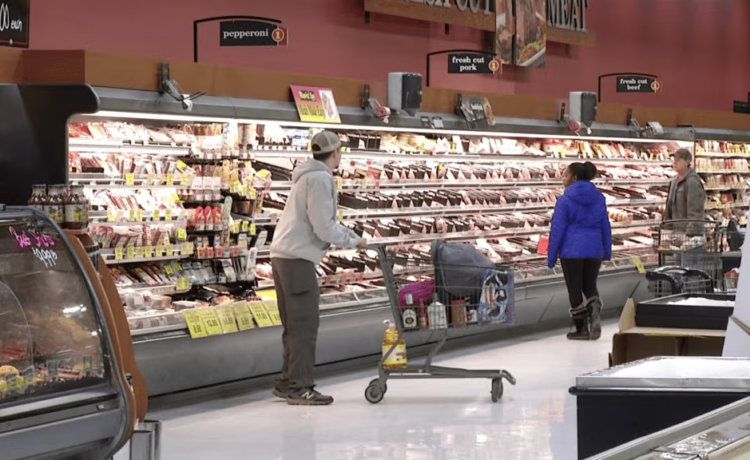
The program serves about 1 in 8 Americans and is a major piece of the nation’s social safety net. Word in October that it would be a Nov. 1 casualty of the shutdown sent states, food banks and SNAP recipients scrambling to figure out how to secure food. Some states said they would spend their own funds to keep versions of the program going.
LOCALLY: Minnesota is providing some relief for the 440,000 people who currently use SNAP, including $4 million to support food shelves across the state. Locally, Duluth’s Best Bread and Duluth Cider are both rolling up their sleeves to make sure no one goes hungry.
Story: Two Duluth businesses offer support to make sure no one goes hungry
“Hunger doesn’t care how you vote or if you’re old or young. It’s a very real, present condition that is about to become a big issue for a lot of people in our community,” said Jake Scott, owner of Duluth Cider.
RELATED STORY: Gov. Walz announces $4 million in funds for Minnesota food shelves
Sen. Amy Klobuchar, the ranking member of the Senate Agriculture committee that oversees the food aid program, said the court’s decision “confirms what we have said all week: The administration is choosing not to feed Americans in need, despite knowing that it is legally required to do so.”
The district court’s decision leaves “no excuse to withhold food assistance from Americans,” she said.
If the administration decides not to issue SNAP funds, she said, “it is purely a cruel political decision, not a legal one. They should immediately act — as the court has required — to ensure food assistance continues to go to families in need.”
The program costs around $8 billion per month nationally.
A federal judge in Rhode Island ruled from a bench that the program must be funded using at least the contingency funds – and asked for an update on progress by Monday.
A Massachusetts-based judge also gave the administration until Monday to say whether it would partially pay for the benefits for November with contingency money or fund them fully with additional funds
It wasn’t immediately clear how quickly the debit cards that beneficiaries use to buy groceries could be reloaded after the ruling. That process often takes one to two weeks.
FULL STORY: Judges order the Trump administration to use contingency funds for SNAP payments during the shutdown
The Associated Press has contributed to this report.