- Wisconsin joined a multi-state lawsuit against the U.S. Department of Agriculture over FoodShare funding.
- The lawsuit aims to force the release of contingency funds before benefits run out on November 1 due to a federal government shutdown.
- The USDA recently changed its guidance, stating contingency funds cannot be used for benefit payments.
- Wisconsin’s state legislature is unlikely to provide state funding to continue the program.
Wisconsin joined a multi-state lawsuit against the U.S. Department of Agriculture to force the release of contingency funding for FoodShare before benefits run dry for thousands of Wisconsin residents on Nov. 1.
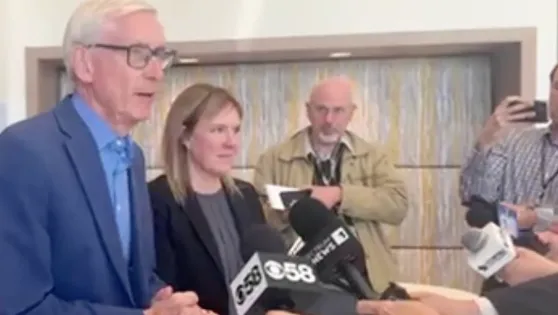
Democratic Gov. Tony Evers made the announcement Oct. 27 at a roundtable event at the Milwaukee Public Library’s Martin Luther King Branch, where community advocates warned looming cuts to government programs would impact their businesses.
“The good news is, the federal government can (release the FoodShare money),” Evers told reporters. “They can do it; there’s nothing stopping them from doing it. In fact, we’re going to be suing them for not using the funds that they have.”
The lawsuit, filed Oct. 28 in Massachusetts, argues that both USDA and the Office of Management and Budget have previously and recently said that SNAP benefits are an obligation of the United States.
Before Friday, the USDA advised $3 billion worth of contingency funding could be used for administrative costs and benefit payments in the event of a shutdown. But on Oct. 24, the agency issued a new memo saying funding cannot legally be used for such purposes.

The lawsuit was filed just a few days before federal funding for the FoodShare program will evaporate because of the federal government shutdown.
At that point, FoodShare enrollees may use leftover benefits during the month of November but will not receive any new benefits until the government reopens.
Wisconsin and the other states suing the federal government together provide more than 21 million individuals with food assistance, according to Evers’ office.
State lawmakers could create a new state-funded appropriation to keep the program alive as the shutdown continues, but Senate President Mary Felzkowski said this week the Legislature is unlikely to do that, calling the matter a federal issue.
Evers cannot act alone by issuing an executive order to continue the program, his office said, because the state Legislature has the power to appropriate money.
In September, about $116 million in benefits were issued to FoodShare recipients, according to the nonpartisan Legislative Fiscal Bureau.

(This story was updated to add new information.)