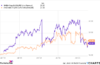

Europe, Mordy explains, has struggled with competitiveness for the past decade. Former European Central Bank President and Italian Prime Minister Mario Draghi articulated this in a 2024 report that argued “fragmentation, over-regulation, insufficient spending and undue conservatism” was holding Europe’s economies back. Much of this stems from the austerity policies adopted after the 2008 Global Financial Crisis—a period that now seems to be giving way to a broader recognition: unless Europe invests meaningfully in its domestic economies, it risks continued stagnation.
Mordy has identified a number of pieces of ‘low hanging fruit’ that EU policymakers can target to improve competitiveness. They can seek to emulate the US’ world-leading interplay between universities and the private sector. They can help foster greater capital scale and risk appetites to support European start-ups and tech businesses. They can use public capital to encourage private sector innovations.
There are already signs of an emerging cyclical uptrend. Mordy notes that loan growth and wage growth are both expanding. Corporate earnings are turning more positive and certain sectors that had long been value traps, like European banks, have broken out and begun performing well. That, in turn, reinforces greater risk appetites and can create a virtuous spending cycle. Compared to the US, which is arguably late in its cycle, Europe has recently put in a bottom. Additionally, European stocks trade at a roughly 35 per cent discount to their US peers, with similar profit growth expectations for the next year.
As positive as this story might appear to be, the question remains as to why a less than favourable deal with the US isn’t enough to derail it? Mordy notes, first and foremost, that a resting 15 per cent tariff is better than the 30 per cent rate initially imposed before this deal. Moreover, only about 20 per cent of EU exports go to the United States, meaning the blow is relatively soft for European economies just as stimulus and infrastructure spending appears to be targeting domestic demand. While the full implications of the deal will become clearer as more details emerge, Mordy emphasizes that, for now, there’s little reason to hit the panic button.
For Canadian advisors who have only recently begun increasing client exposure to Europe, the new trade deal presents a challenge. It introduces short-term volatility and negative headlines, potentially disrupting what is still a relatively new narrative for many Canadian investors. Mordy outlines how advisors can navigate these emerging concerns.