Tesla (TSLA) stock is on track to finish the week lower, reversing some of the prior week’s rally, as the company’s Q1 earnings report raised some concerns for investors.
Though Tesla beat on the top and bottom lines and confirmed some of its major projects are progressing toward production, investors were alarmed by Tesla’s rising capex spend toward its AI and robotics initiatives.
On Wednesday’s earnings call, CFO Vaibhav Taneja said the company’s 2026 estimate for capex will be “over $25 billion” and will result in negative free cash flow for the rest of the year.
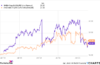
Tesla stock initially jumped after the earnings were released, but rolled over following the capex announcement. Shares are down around 7% for the week.
“The previous outlook (of $20B) was already around 2x higher than Tesla’s previous peak, and the new outlook (of $25B) illuminates the scale of Tesla’s ambition,” Piper Sandler analyst Alexander Potter wrote in a note post earnings release.
Tesla did report that its Cybercab, Tesla Semi, and megapack battery production were all on schedule, with its Optimus robot production line aiming for a second quarter start.
Early Friday morning, CEO Elon Musk posted a Cybercab promo video to his social media platform X, with the quote “Cybercab has started production.” Musk previously mentioned that Cybercab started production on the earnings call, though he noted initial production “will be very slow.”
The Cybercab is Tesla’s purpose-built robotaxi with no steering wheel or pedals, meant to eventually replace the company’s existing robotaxi fleet. The company plans to offer Cybercabs for sale to the general public sometime in the future.
NHTSA currently doesn’t allow vehicles for sale without a steering wheel and pedals, though the agency is proposing rule changes to that requirement. Tesla also said it would not be subject to the 2,500 annual production cap for autonomous vehicles, most likely through a self-certification waiver.
Cybercab production is one part of Tesla’s AI-driven product rollout. Tesla’s FSD (full self-driving) software, which powers its current robotaxi fleet in Austin, San Francisco, and the recently announced Houston and Dallas service areas, is poised to reach “unsupervised” status soon with an upgrade, though Musk says the company is taking its time with that release for safety.