Theo Wells-Spackman is a Report for America corps member who reports for VTDigger.
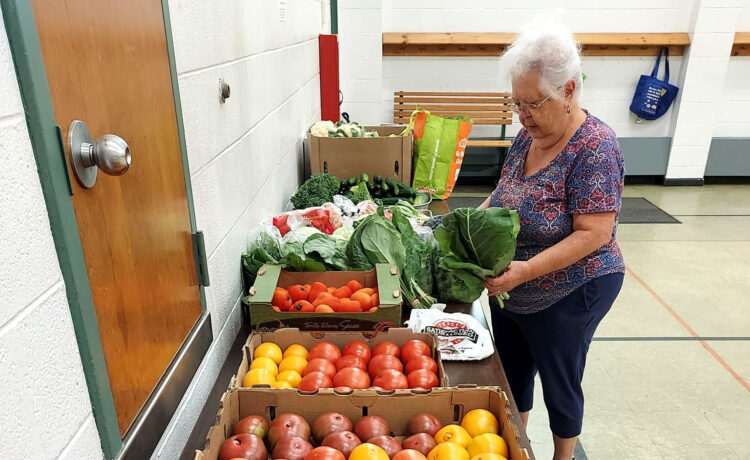
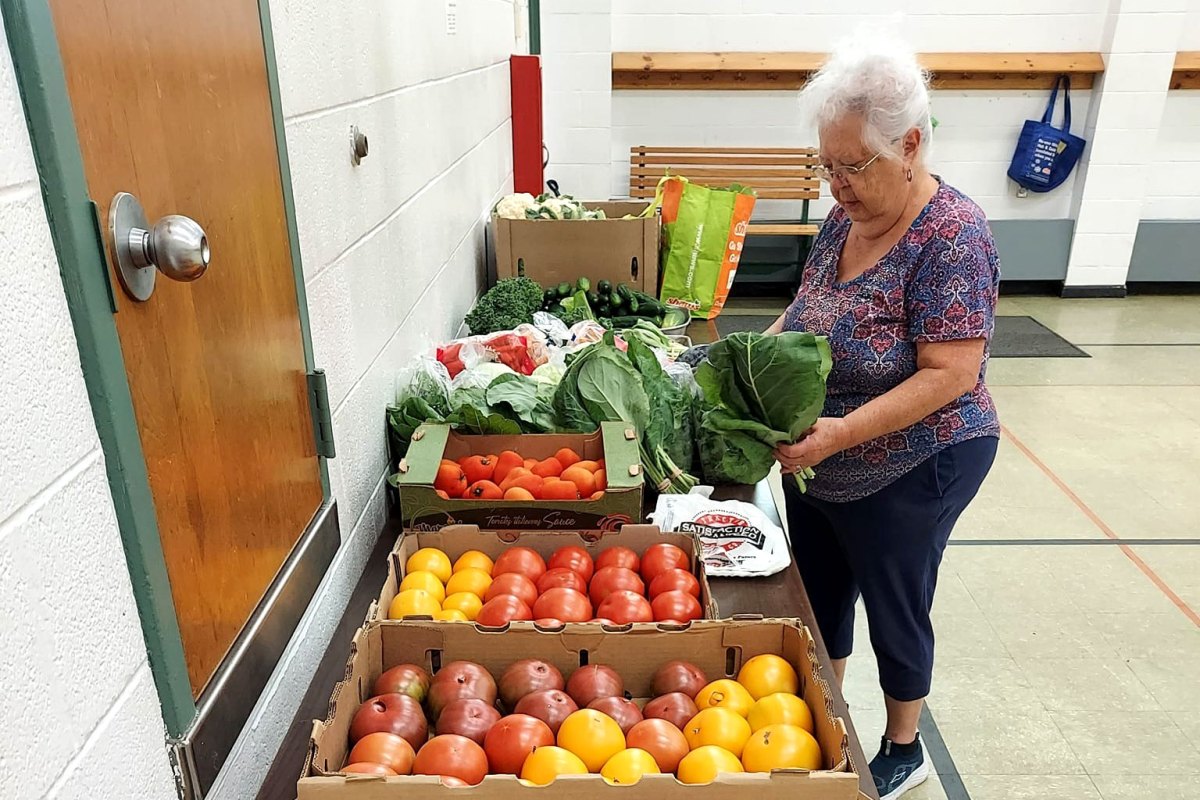
The Holland Food Shelf announced Wednesday that the organization would close, following months of financial uncertainty.
According to Don Stevens, executive director of Abenaki Helping Abenaki, the food shelf’s nonprofit operator, the service has become financially unfeasible. The food pantry has served residents of Holland, Derby and the surrounding community on Vermont’s border with Canada in Orleans County since 2021.
“It’s not an easy decision,” Stevens said in an interview Wednesday. The service had lately been providing sustenance to roughly 700 people per month, he said, most of whom were regulars.
The pantry announced in August 2025 that it would close imminently, due in part to the loss of grant funds from the U.S. Department of Agriculture. But in the weeks that followed, an anonymous donor stepped in to keep the organization afloat through the winter, offering up to roughly $44,000 in contributions.
A year later, funds have run down once again, Stevens said. Grant funding and support from a variety of local and federal sources has declined or is no longer available, he said, and the costs of renting and running the facility became too high.
Food distribution from the building the pantry has been renting from the town stopped July 31, with staff “looking into options moving forward,” a statement from Stevens said earlier this summer. But after a potential alternative space nearby fell through due to uncertainty around infrastructure and utility costs, among other overhead expenses, he said, the closure became indefinite.
Michele Capron, who lives roughly 10 minutes from the pantry, said she began receiving food “off and on” from the organization after losing her job during the Covid-19 pandemic.
“I needed some extra help,” she said.
The community stands to lose an important service, Capron said, particularly given how many of those in need are elderly.
Heather Boren, a resident of nearby Coventry who works for the North Country Supervisory Union, agreed, saying she had seen the food shelf provide fresh food to the area for years.
“There’s a lot of people in the community that need that, you know, to sustain them,” she said.
The extra 15 miles to reach the nearest food pantries in Newport or Island Pond might be a real barrier for some residents in the area, she and Capron added.
Carrie Stahler, the Vermont Foodbank’s government and public affairs officer, echoed residents’ concerns. Areas like Orleans County tend to have high need for food access but scant resources to put toward the problem, she said. Census data indicates that Orleans County’s poverty rate is roughly 12%, about a third higher than the 9% rate statewide.
Without commenting on the Holland Food Shelf’s particular situation, Stahler said the state’s food assistance network has undergone “some belt-tightening” as Covid-era funds ran out. Food pantries like Holland’s, she said, often “struggle to be self-sustaining because they don’t have a population who can continue to support them with donations.”
The Holland Food Shelf’s challenges, though disappointing, are far from unique, Stahler said.
Stevens said the ripple effects of the pantry’s closure will extend beyond direct recipients. The organization’s two part-time staff have been laid off, he said, and local farmers from whom he sourced meat and other products will lose a customer.
Abenaki Helping Abenaki was also recently given a space in Cabot, he added, at the former Covenant Hills Christian Camp. Food distribution and other services will continue there for “our citizens,” he said, referring in part to the state-recognized Nulhegan band of the Coosuk Abenaki Nation, of which Stevens is chief.
In the future, Stevens hopes the food assistance service could eventually serve the general public from the location in Cabot. He’d consider any option for making such a pantry viable again, Stevens said.
Meanwhile, in Holland, residents say the food shelf will be sorely missed.
“We have to be creative. We have to figure out new ways to help people,” said Boren. “If someone’s suffering, we have an obligation as a human being to help them.”