
(Sept 4): A rush to unwind yen-funded carry trades helped send the currency to a one-month high against the dollar as traders ramped up bets on further Bank of Japan (BOJ) rate hikes.
The yen held most of its gains Friday after advancing more than 2% on Thursday, nearing levels last seen in May following the Ministry of Finance intervention. The move came after hawkish comments from BOJ Governor Kazuo Ueda and board member Hajime Takata. The BOJ could raise interest rates at three consecutive meetings through December in an extreme scenario where yen weakness persists, according to Nomura Securities Co.
“We’re seeing unwinds of yen-funded carry trades and significant interest to own the yen over other G10 currencies in the medium term,” said Sagar Sambrani, a senior foreign-exchange options trader at Nomura in London. “The broad consensus seems to be that the easy carry trade is behind us and that the size of cross-border flows from Japan to the US could have changed materially.”
The yen has long been a popular funding currency for carry trades because of Japan’s low borrowing costs. Investors borrow the yen to buy higher-yielding assets in the US, Brazil or Mexico where rates are higher, and then earn the interest rate differential. As long as the Japanese currency remains stable or weakens, they make money. If the yen strengthens, it will cost more to repay the loan, wiping out profits.
Trading in yen call options against the dollar expiring this month was more than two-and-a-half times the volume of puts on Thursday, according to Chicago Mercantile Exchange data, as traders bought calls to cover their existing short yen exposure. Calls gain in value when the Japanese currency appreciates against the greenback.
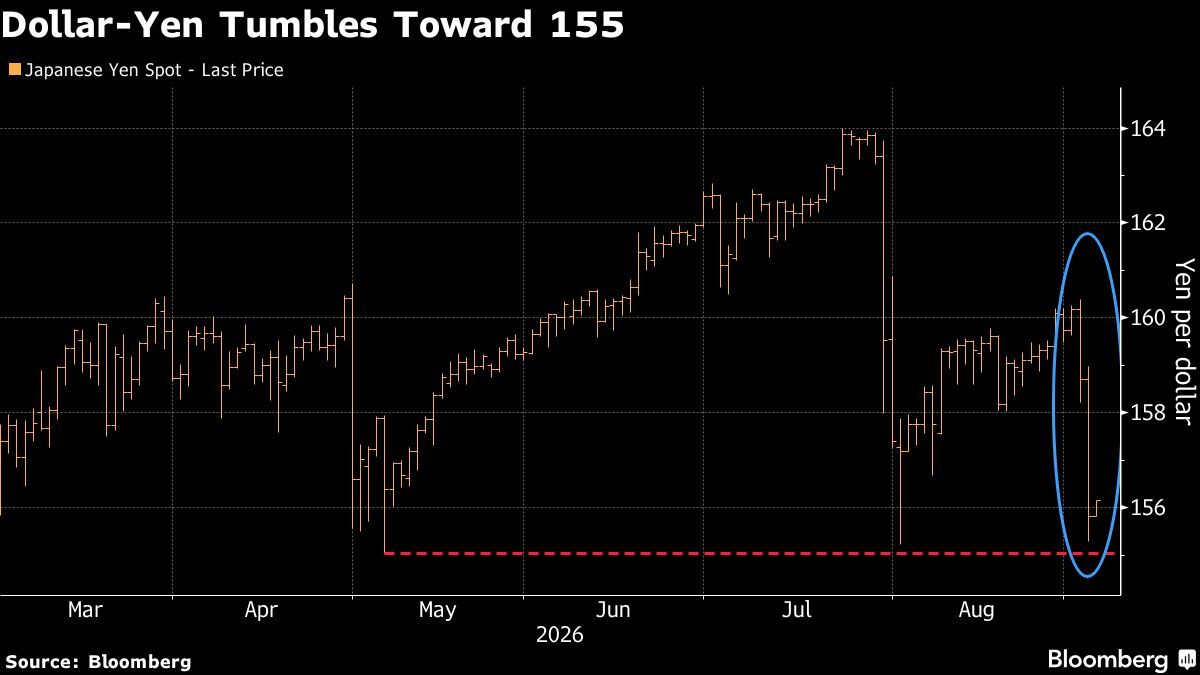
Carry trades are coming under pressure as expectations for tighter BOJ policy push Japanese yields higher, strengthening the yen and spiking volatility. Two-year yields have jumped about 14 basis points this week, while swap traders have priced in a quarter-point increase at the Sept 18 meeting, and nearly three additional moves of the same size by July. That would mark a sharp acceleration from the average pace of two hikes a year since the start of 2024.
The dollar was not the only currency that felt the impact of the carry trade unwind yesterday. High yielding currencies such as the Brazilian real, South African rand and Mexican peso all fell more than 1% versus the yen.
There may be scope for further short covering. Leveraged funds held a net short yen position of 81,619 contracts in the week ended Aug 25, while asset managers were short 18,284 contracts, according to the latest Commodity Futures Trading Commission data. Expectations that the BOJ will raise rates this month and remain flexible over the pace of further tightening have prompted investors to pare those positions.
Japanese exporters have also stepped up sales of dollars for yen, adding to the currency’s advance, according to traders. Bank of America Corp said the currency’s rally reflected a broad shift in sentiment.
“Rather than activity from any single corner of the market, the move in dollar-yen appears to reflect a broader reallocation of risk following developments over the past 48 hours,” said Ivan Stamenovic, head of Asia-Pacific Group-of-10 currency trading at Bank of America in Hong Kong.
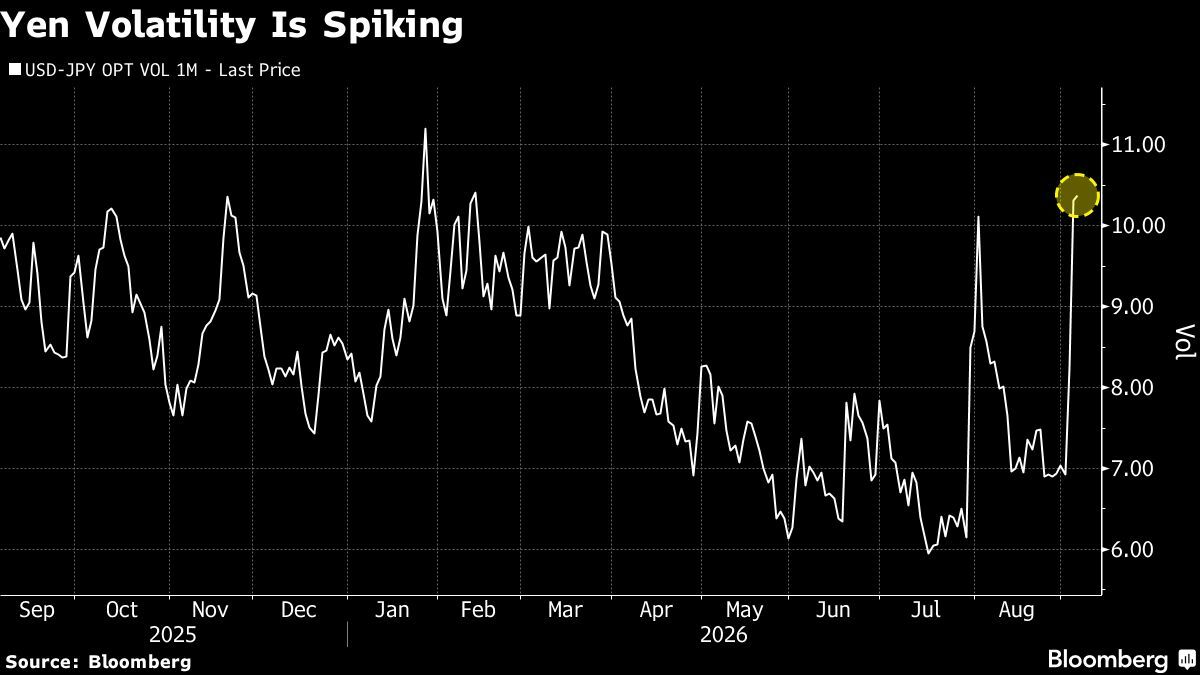
Still there are those who say the current trend may reverse. In the short term, at least, rapid yen strengthening and higher volatility have likely cleared some carry positions, according to Societe Generale SA.
“But the bar for the BOJ to shake up the yen-funded carry trade is likely quite high, given that they will need to deliver a significant dose of hawkishness to get yen appreciating durably,” said Galvin Chia, Hong Kong-based emerging Asia strategist at the bank.
Back in London, discussions around the capitulation of yen-funded carry trades are also making their way around market participants’ desks. There’s been a notable shift in sentiment this week, which helped spur investors to unwind crowded bearish yen and Japanese government bond positions, according to Mizuho Bank.
The “driver was the unwind of yen short position — mainly hedge fund accounts”, said Masayuki Nakajima, senior strategist at Mizuho in London. “Expectations for further BOJ tightening also strengthened.”
Uploaded by Chng Shear Lane