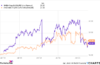

In recent years, the idea of “de-dollarization” has moved from being a niche geopolitical concept to a mainstream financial discussion. Headlines about countries reducing their dependence on the , bilateral trade in local currencies, and central banks diversifying reserves have sparked a natural question among individuals worldwide: Should I be worried about the future of the dollar—and my own financial stability?
To answer that, it’s important to separate structural shifts in the global financial system from immediate personal financial risks.
What Is De-Dollarization?
De-dollarization refers to the gradual reduction in the use of the US dollar in global trade, finance, and central bank reserves. Since the end of World War II, the dollar has functioned as the world’s primary reserve currency, underpinning international trade, commodity pricing, and cross-border investments.
However, in recent years, several developments have contributed to a shift:
- Countries entering bilateral trade agreements in local currencies
- Central banks increasing and non-dollar reserve holdings
- Geopolitical tensions are prompting diversification away from dollar-based systems
- Growth of alternative payment systems and regional alliances
While these trends are real, they are often overstated in terms of speed and impact.
US Dollar’s Dominance: Still Intact
Despite ongoing discussions around de-dollarization, the US dollar remains deeply entrenched in the global financial system.
- Over half of global foreign exchange reserves are still held in dollars
- A majority of international trade is invoiced in dollars
- Global debt markets, especially emerging market borrowings, are heavily dollar-denominated
- The US Treasury market continues to be the most liquid and trusted safe-haven asset globally
This dominance is not just about economics—it is supported by institutional strength, legal frameworks, deep capital markets, and global trust in US financial infrastructure.
In other words, de-dollarization is not a sudden disruption—it is a slow evolution.
What’s Driving the Shift?
The push toward de-dollarization is less about replacing the dollar entirely and more about reducing overdependence.
Key drivers include:
1. Geopolitical Risk
Sanctions and restrictions have made some countries cautious about relying too heavily on dollar-based systems. Diversification is seen as a way to reduce vulnerability.
2. Economic Strategy
Emerging economies are seeking greater control over their trade and currency stability by promoting local currency settlements.
3. Technological Advancements
Digital currencies, including central bank digital currencies (CBDCs), are creating new channels for cross-border transactions that may bypass traditional dollar routes.
4. Multipolar Global Economy
As global economic power becomes more distributed, reliance on a single dominant currency is naturally being questioned.
Should Individuals Be Concerned?
For individuals—especially retail investors and savers—the immediate impact of de-dollarization is limited.
Here’s why:
1. No Sudden Collapse Scenario
The dollar is not at risk of losing its reserve currency status overnight. Any meaningful shift would take decades, not years.
2. Financial Systems Are Interconnected
Even if countries diversify, the global financial system remains interconnected. A complete departure from the dollar is neither practical nor likely in the near term.
3. Diversification Already Exists
Many investors are already indirectly diversified through global equities, mutual funds, and pension portfolios.
Where It Does Matter for Individuals
While there is no immediate cause for alarm, de-dollarization trends do have subtle implications for individuals over the long term.
1. Currency Volatility
As global currency dynamics evolve, exchange rate volatility may increase. This can impact individuals with international exposure—such as those investing abroad or earning in foreign currencies.
2. Investment Strategy
A gradual shift toward a multipolar currency system may enhance the case for diversified portfolios, including exposure to multiple currencies and geographies.
3. Inflation and Interest Rates
Changes in global demand for US Treasuries could, over time, influence US interest rates. This, in turn, may have ripple effects on global borrowing costs and inflation.
4. Commodity Pricing
If commodities like oil begin to be priced in currencies other than the dollar, it could alter global pricing dynamics, indirectly affecting consumer costs.
The Bigger Picture: Evolution, Not Disruption
It is essential to understand that de-dollarization does not mean “de-dollar collapse.” The more realistic scenario is a gradual transition toward a multi-currency system where the dollar remains dominant but shares space with other currencies like the euro or the Chinese yuan.
Historically, reserve currency transitions take decades. For instance, the shift from the British pound to the US dollar as the global reserve currency spanned much of the 20th century.
What we are witnessing today is not an abrupt replacement but a rebalancing.
Practical Takeaways for Individuals
Rather than reacting with concern, individuals can approach this trend with informed financial planning:
- Stay diversified: Avoid overexposure to a single currency or geography
- Focus on fundamentals: Long-term investing principles remain unchanged
- Monitor global trends: Awareness of geopolitical and economic shifts helps in better decision-making
- Avoid reactionary decisions: Headlines often exaggerate the pace of change
Conclusion
De-dollarization is a significant geopolitical and economic development, but it is not an immediate financial threat to individuals. The US dollar continues to play a central role in global finance, and any shift away from it will be gradual and measured.
For individuals, the focus should remain on disciplined investing, diversification, and long-term financial goals rather than reacting to macroeconomic narratives.
In essence, de-dollarization is less about the fall of the dollar and more about the rise of a more balanced global financial system. And for most individuals, that evolution is something to watch—not worry about.