The dollar was on track for its first weekly gain in three weeks on Friday, against stalled peace negotiations between the U.S. and Iran.
Skaman306 | Moment | Getty Images
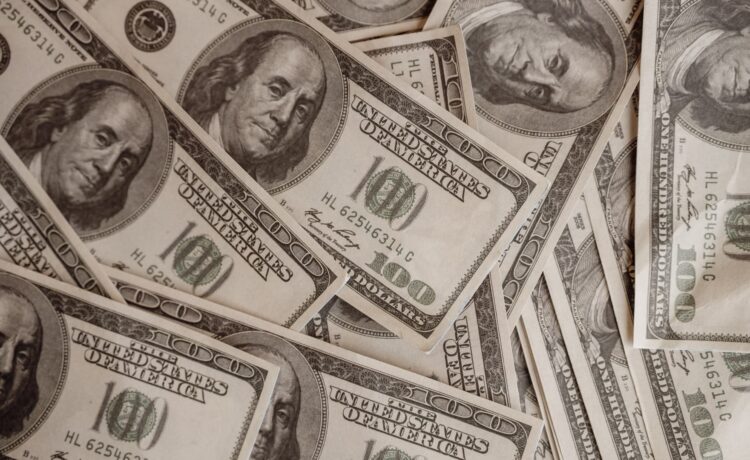
The dollar was on track for its first weekly gain in three weeks on Friday, as stalled peace negotiations between the U.S. and Iran dampened hopes for an immediate easing of Middle East tensions.
While Lebanon and Israel extended their ceasefire for three weeks ahead of its expiration on Sunday, Iran showed off its control over the Strait of Hormuz by releasing footage of its commandos storming a huge cargo ship, leaving the timing of the reopening of the world’s most important shipping corridor uncertain.
“Amid reports that talks between the U.S. and Iran are showing no progress, crude oil prices have remained firm, contributing to a stronger dollar environment,” Akihiko Yokoo, senior analyst at Mitsubishi UFJ Bank, said in a note.
The dollar index, which measures the greenback against a basket of currencies including the yen and the euro, was little moved at 98.81 and remained on track for a weekly gain of 0.59%. The euro rose 0.02% to $1.1685, while sterling edged down 0.01% to $1.3466.
The dollar has drawn safe-haven demand amid the uncertainty. It gained ground in March as concerns over the conflict deepened, but gave back some of those gains this month as optimism over a potential resolution grew.
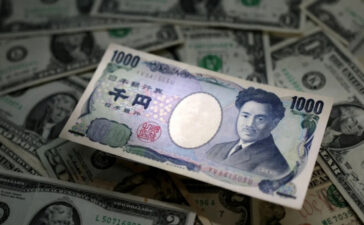
Meanwhile, the yen was on track for a fifth straight day of losses against the dollar, weakening 0.01% to 159.75 per dollar.
Japanese Finance Minister Satsuki Katayama reiterated her verbal warning on intervention on Friday that authorities can take “decisive” action against speculative moves in the foreign exchange market, a day after saying Japan has a “free hand” to intervene and that past interventions had been effective.
With Japanese authorities continuing to push back against yen weakness, “it is difficult to expect a scenario in which the yen weakens sharply beyond 160 per dollar in the near term,” Mitsubishi UFJ’s Yokoo said.
Japan’s core consumer inflation slowed below the central bank’s 2% target for a second straight month in March. Analysts, though, expect inflation to accelerate back above the Bank of Japan’s target in coming months, as companies begin to pass on higher fuel costs from the Middle East conflict.
The BOJ is set to hold its two-day policy meeting ending on Tuesday. Reuters reported the bank is likely to hold off raising interest rates next week as fading prospects of a near-term end to the Middle East war keep the country’s economic and price outlook highly uncertain. The bank is still expected to signal its readiness to hike to counter mounting price pressures.
Similarly, the European Central Bank will hold its deposit rate on April 30 but hike it in June, according to just over half of economists polled by Reuters, in a bid to protect a war-induced energy shock from knocking the euro zone economy off balance.
The Australian dollar strengthened 0.04% versus the greenback to $0.7131. New Zealand’s kiwi strengthened 0.07% versus the greenback to $0.5856.
In cryptocurrencies, bitcoin gained 0.71% to $78,474.55. Ethereum rose 0.41% to $2,335.99.