HONG KONG – Most emerging Asia stocks advanced on Sept 4, with Singapore’s benchmark hitting an all-time high, as waning expectations of a near-term US rate increase spurred demand for risk assets, and regional currencies gained ground.
The MSCI gauge of emerging Asia equities gained 1.6 per cent and was headed for its best session in seven days, with tech-heavy South Korea and Taiwan gaining 1.64 per cent and 1.5 per cent respectively.
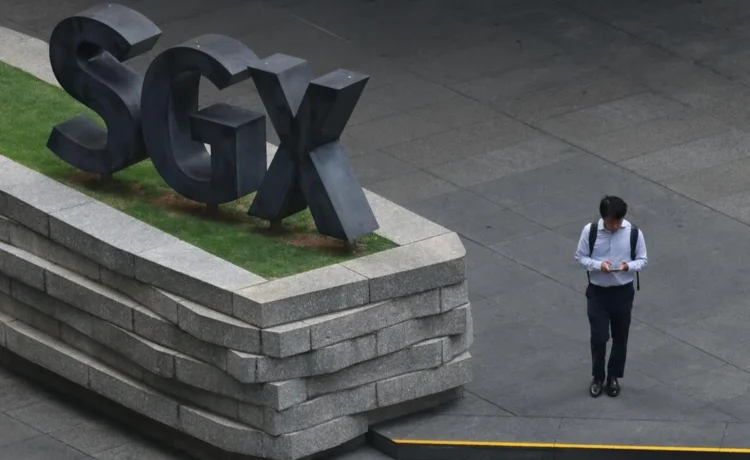
Singapore’s Straits Times Index climbed as much as 1.3 per cent to a record 5,820.69 points, led by blue-chip banks. It closed 0.94 per cent higher at 5,801.96 points. The index was up 1.9 per cent for the week, set for its best week since early July.
Expectations of a Federal Reserve rate hike have moderated ahead of key US inflation data, while the yen’s appreciation has weakened the US dollar and helped Asian currencies recover some lost ground, said DBS economist Radhika Rao. “Risks nonetheless remain two-sided, as any renewed US-Iran kinetic conflict could drive oil prices higher and weigh on Asian assets anew,” Rao said.
Treasuries rallied and the US dollar index slipped after Fed governor Christopher Waller said overnight he would favour keeping rates unchanged at September’s policy meeting if upcoming inflation reports reinforce signs of disinflation.
Futures markets lowered the probability of a rate hike later in September to about 50 per cent, from roughly 63 per cent a day earlier.
The US dollar’s retreat after Waller’s comments supported Asian currencies, with South Korea’s won leading gains at 0.4 per cent. Taiwan’s dollar rose 0.2 per cent. Indonesia’s rupiah advanced 0.1 per cent, though it remains among the worst-performing emerging-market currencies in 2026, down 5.5 per cent in the year to date.
In the Philippines, stocks climbed as much as 0.4 per cent, reversing early declines after data showed annual inflation slowed for the fourth consecutive month in August. The benchmark, up 2.3 per cent, is headed for its best week since mid-June.
The peso rebounded from a record low hit earlier in the session, while the Thai baht reversed earlier gains to trade 0.1 per cent lower. The won was up 1.5 per cent for the week, while Taiwan’s dollar was on track for its worst week since early July.
Investors awaited US non-farm payrolls data due later in the day for clues on the US rate path, with payrolls likely having rebounded in August as a drag from local government education employment reversed. REUTERS