
According to Boston Consulting Group’s (BCG’s) The Future of Digital Assets report (May 2026), tokenised assets currently represent a relatively small market worth around US$60bn. However, the report forecasts that, in a strong-growth scenario, tokenisation could account for approximately 16% of global investable assets by 2035, equivalent to a market value of US$88trn – see Figure 1.2
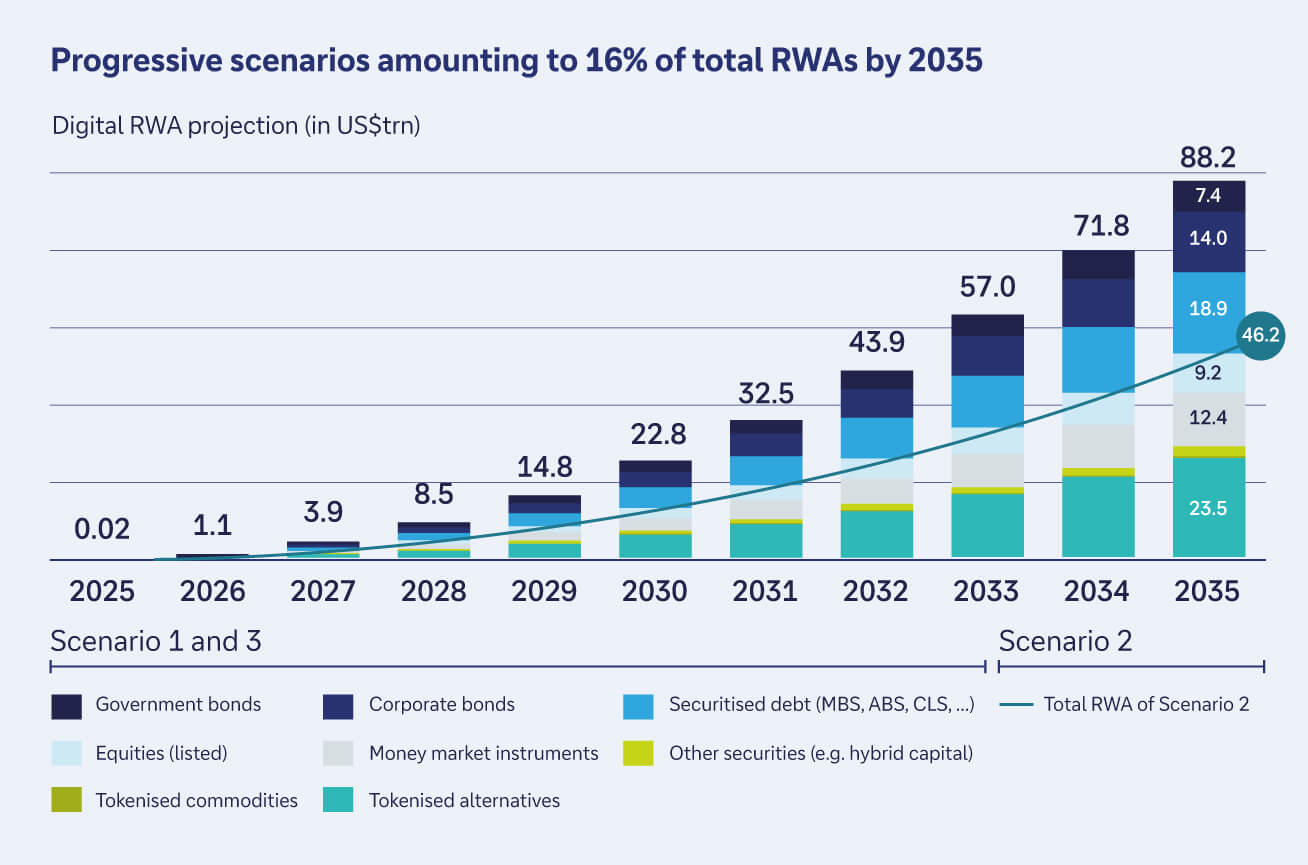
Figure 1: Digital real-world assets: predicted market growth
Source: BCG analysis, The Future of Digital Assets, May 2026
This is supported by the EY-Parthenon and Coinbase Institutional investor digital assets survey, published in March 2026, which highlights that institutional investor interest is “moving beyond exploratory pilots and toward more deliberate portfolio and platform decisions”.3 Of the survey respondents, 73% plan to increase allocations in 2026 (see Figure 2).
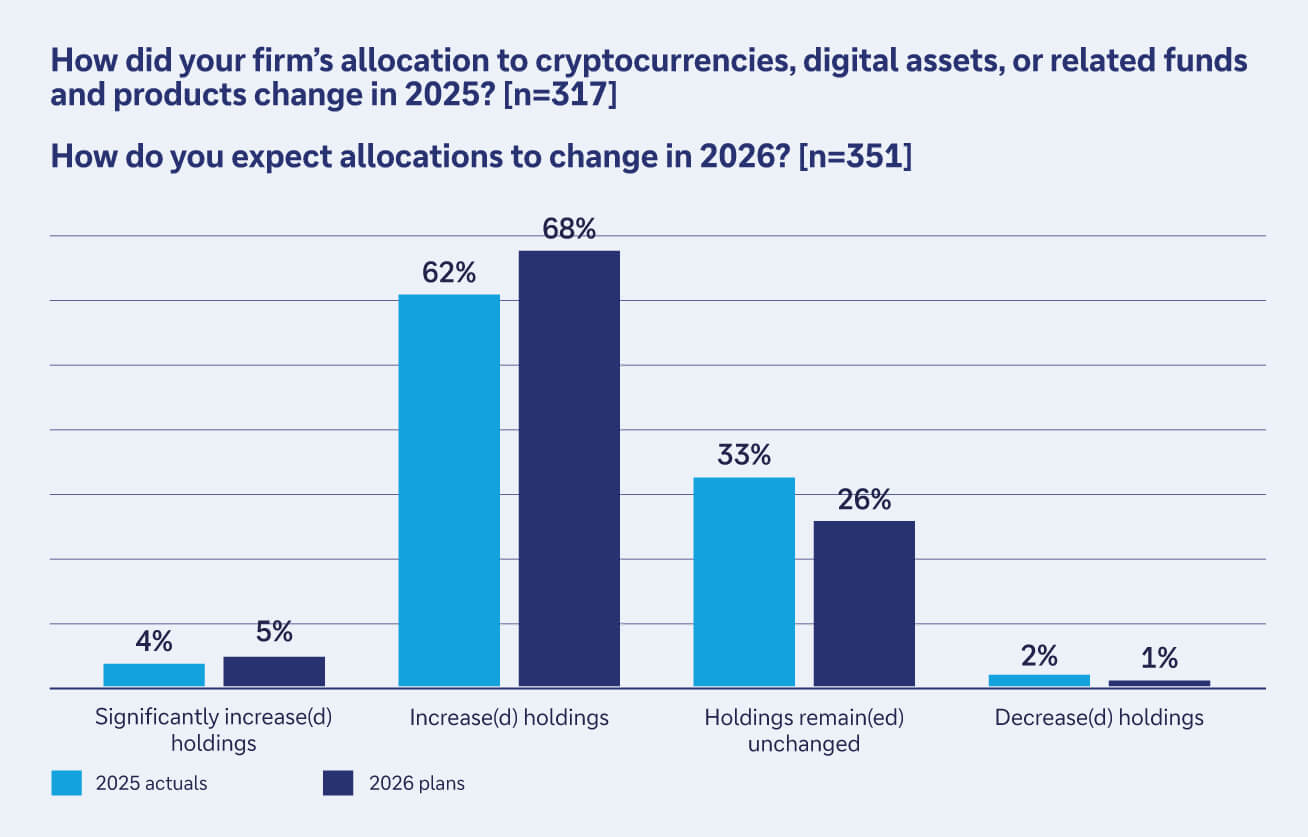
Figure 2: Institutional investors plan to increase digital assets allocation in 2026
Source: EY-Parthenon and Coinbase survey, Institutional investor digital assets survey, March 2026
The potential liquidity benefits for financial institutions (FIs) if tokenised assets take off are substantial. Tokenisation has the potential to make collateral, cash and securities more mobile, programmable and efficient. By enabling near real-time settlement and faster collateral mobilisation, it could unlock capital currently tied up in post-trade processes and help institutions optimise liquidity. Sabih Behzad, Head of Digital Assets and Currencies Transformation at Deutsche Bank, identifies intraday repo, where securities can be pledged, financed and returned within the same day through instant settlement, as one “particularly promising” use case.
These potential benefits are increasingly being quantified. A report published by the Global Financial Markets Association in August 20254 highlights how DLT could generate efficiencies across the trade lifecycle in capital markets. According to the report, a global bank handling US$100bn in daily repo volumes could achieve US$150–300m in savings by reducing idle collateral and achieving faster settlement.
Realising these benefits at scale, however, will depend on more than the tokenisation of individual assets. The International Organization of Securities Commissions’ Final Report on the Tokenization of Financial Assets, published in November 2025, identified interoperability challenges and post-trade fragmentation as key barriers to tokenised asset adoption.5
This is why tokenised issuance initiatives being pursued by international central securities depositories (CSDs) are so significant. In the US, the Depository Trust & Clearing Corporation is developing a tokenisation service for highly liquid assets – including the Russell 1000, alongside ETFs tracking major indices and US Treasury bills, bonds and notes – which is expected to go live in October 2026.6
In Europe, Clearstream launched a tokenised securities platform that’s fully compliant with the EU’s Central Securities Depositories Regulation in November 2025, “providing clients with the choice between digital and tokenised issuance”.7