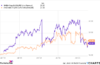

On August 4, Voya Financial (NYSE:VOYA) announced its second-quarter 2026 results, and the headline numbers tell an uncomfortable story. Net income available to common shareholders dropped to $90 million, or $0.97 per diluted share, down from $162 million and $1.66 a year earlier. Adjusted operating earnings fell just as sharply, to $140 million from $240 million. Yet look past the income statement and Voya’s underlying businesses were adding client assets, growing fee income, and returning cash to shareholders at a steady pace.

Growth Humming Beneath The Surface
Voya’s Retirement business crossed 10 million participant accounts during the quarter, a milestone that arrived alongside the completed integration of OneAmerica. Total client assets in that segment reached $863 billion as of June 30, up 14% from $757 billion a year earlier, and fee-based revenues climbed 10% year over year. Investment Management told a similar story. Pre-tax adjusted operating earnings there rose 12% to $57 million, helped by $1.2 billion of net inflows during the quarter that pushed assets under management to $377 billion, up from $360 billion a year ago.
Assets under advisory grew even faster, reaching $63 billion from $54 billion. Margins widened too, up 100 basis points on a trailing twelve-month basis to 29.0%. Employee Benefits, often the company’s most volatile segment, showed real underwriting progress: the total aggregate loss ratio improved to 74% from 79% a year earlier, lifting its trailing twelve-month margin to 11.0% from just 3.7%. None of that came at the expense of shareholders. Voya generated roughly $150 million of excess capital in the quarter, more than fully converting its adjusted operating earnings into deployable cash, and returned about $200 million through dividends and buybacks, with $263 million still authorized for future repurchases.
Where The Profit Went Missing
The drop in profitability traces to specific, identifiable costs. Corporate reported pre-tax adjusted operating losses of $102 million, up from $67 million a year earlier, largely because of roughly $40 million in severance tied to efficiency actions. A $15 million pre-tax loss on alternative investments added further pressure. Those same alternative investment declines hit Retirement directly: pre-tax adjusted operating earnings there fell to $190 million from $235 million, even as fee revenue grew, because lower alternative investment income and planned strategic investment spending offset the gains. Employee Benefits saw the sharpest swing, with pre-tax adjusted operating earnings falling to $22 million from $69 million.