ETFs and index funds get tossed around like they mean the same thing, but mixing them up can lead to some costly assumptions about how, when, and at what price you actually own a piece of the market.
This post may contain links from our sponsors and affiliates, and Flywheel Publishing may receive compensation for actions taken through them.
ETFs and index funds are popular investments, especially for people looking for a fairly simple way to invest in multiple companies at once. The terms can be confusing and are often used interchangeably, but they do not mean exactly the same thing. The biggest differences become clearer once you understand how these funds are structured, purchased, priced, and traded.
What Is an ETF?
ETF stands for exchange-traded fund. An ETF collects money from multiple investors and uses it to hold several investments. They can include stocks, bonds, or other assets. In this way, buying just one share of an ETF means you could be investing in dozens or even hundreds of different assets. Just like individual stocks, ETFs are bought and sold on stock exchanges during the trading day.
What Is an Index Fund?
An index fund is an investment fund that follows a particular market index. Let’s take the S&P 500 for example. An S&P 500 index fund tries to match the performance of the S&P 500 by investing in a variety of companies within that index. Instead of having a manager making decisions about which exact stocks to buy and sell on your behalf, the fund automatically tracks its specific index. This is considered a form of passive investing because the goal is to keep pace with the market instead of beating it.
An Index Fund Can Also Be an ETF
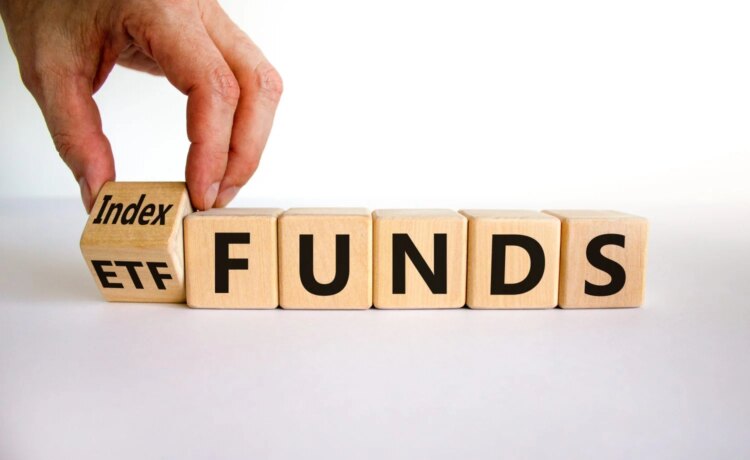
This is where it all gets quite confusing. An index fund uses a specific index-based strategy, while ETF describes the way the fund is structured and traded. An index fund can therefore be an ETF, or it could be a traditional mutual fund. There are also ETFs that do not follow an index at all.
They Are Purchased Differently
An ETF is purchased through a brokerage account. It can be traded at any time the stock market is open. Market activity will dictate the price, which fluctuates throughout the day. On the other hand, an index mutual fund can be bought through either a brokerage or fund company and is priced only once a day after the market closes. Everyone buying or selling that fund on the same day gets the same end-of-day price.
Minimum Investments Can Be Different
Traditionally, the minimum amount needed for an ETF tends to be the price of one share. However, some brokerages let investors buy fractional shares for even less. Index funds sometimes require you to invest a minimum initial amount. Depending on the fund, that minimum could be a few hundred dollars or thousands of dollars. But this minimum doesn’t apply in every situation.
Both Types of Funds Have Costs
Both ETFs and index mutual funds charge what is referred to as an expense ratio, which is an annual operating expense. It is calculated based on a percentage of the fund’s assets. Passively Managed index funds tend to be inexpensive because they don’t demand the same level of management as some other funds. ETFs, on the other hand, can have associated trading expenses, like commissions and the difference between a buyer’s offered price and a seller’s asked-for price. Either type of fund can have transaction fees or sales charges. When all is said and done, neither category is automatically cheaper in all situations.
ETFs Offer More Trading Flexibility
ETFs give investors more control. They can decide the price and timing of a trade. They can be bought or sold throughout the day. Index mutual funds are less flexible, as transactions happen only once a day. That difference may matter to someone who wants to trade on the fly, but it probably won’t matter much to a person investing for decades.
Index Mutual Funds Can Make Automatic Investing Easier
Index mutual funds are convenient for people who want to invest a set amount. Because purchases can be made in specific dollar amounts, the investor does not have to consider the current price of an individual share. ETFs can have these benefits too, but it depends on the brokerage. Both can be good options for long-term investing.
Which One Is Better?
It would be great if we had a definitive answer as to which of these funds is better than the other. But, as with most things investment-related, it depends on the specifics. Someone who values trading anytime and flexibility might decide an ETF is a better fit for them, while someone who wants automatic purchases will likely favor an index mutual fund. There are a lot of factors to consider when choosing between an ETF and an index mutual fund. Investors should compare the funds’ holdings, expense ratios, minimums, trading costs, and risks. They can both lose value under the right circumstances, despite how resilient they seem.
Contact [email protected] for any questions or corrections.