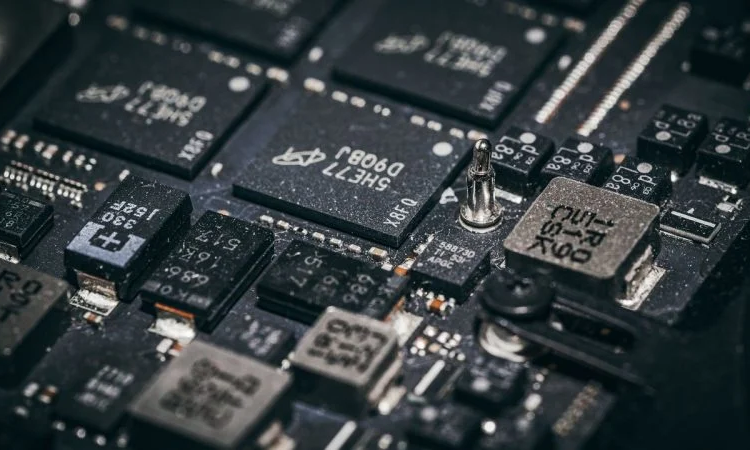
Something unusual is happening in Asian equity markets. Investors are quietly dumping the high-flying chip stocks that defined the region’s rally and rotating into the kind of boring, beaten-down value plays that haven’t led performance in years.
The MSCI Asia Pacific value stocks index has climbed roughly 6% this quarter, while its growth counterpart has slipped about 2%. That gap represents the widest outperformance for value over growth since Q1 2022, when the global rate-hiking cycle first started punishing expensive tech names.
The semiconductor reckoning
SK Hynix shares plunged 14.7% in a single session in late July, while Samsung Electronics dropped 13.4% the same day.
The information technology sector, which accounts for roughly a third of the regional index, has fallen 5.6% this quarter. Meanwhile, Asian financials have surged 12%.
Competition from Chinese semiconductor firms has intensified, putting pressure on margins and market share for established players.
The valuation gap is hard to ignore
Asian value stocks are trading at 10.8 times one-year forward earnings. For context, US equities sit at 17.9 times, and European stocks trade at 12.3 times.
Hedge fund manager Hao Hong put it bluntly:
“The value rotation in Asia is set to expand and extend as the semiconductor’s downtrend is not yet finished.”
Why this rotation matters beyond Asia
The last time Asian value stocks outperformed growth by this margin was early 2022, right as central banks were beginning their most aggressive tightening cycle in decades. That rotation proved prescient. Growth stocks globally went on to suffer their worst year since the financial crisis.
Earnings season will be the next major test. If Asian financial companies continue to deliver steady results while chip firms guide lower on AI-related revenue expectations, the rotation could accelerate. If semiconductor companies manage to stabilize sentiment with better-than-feared guidance, growth investors might claw back some ground.
The competitive threat from Chinese chipmakers adds another layer of complexity. Domestic Chinese firms have been gaining ground in mature-node semiconductor production, and any acceleration in that trend could keep pressure on the Korean and Taiwanese giants that dominate the regional tech index.