The European Central Bank is pressing ahead with plans for a digital euro, establishing new partnerships to help create a free and unified European alternative for digital payments.
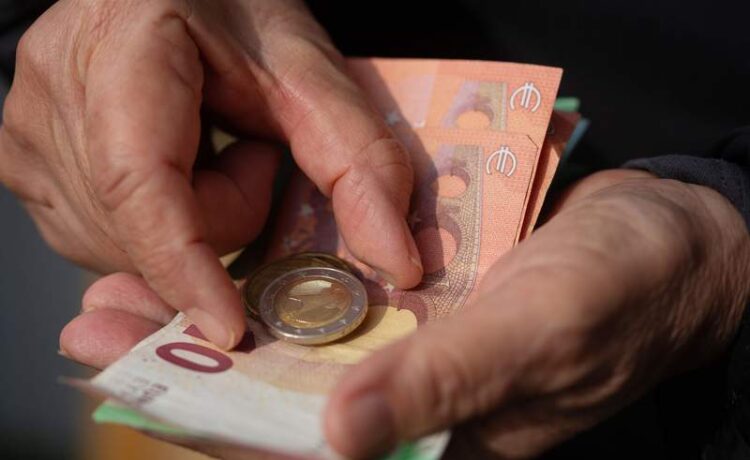
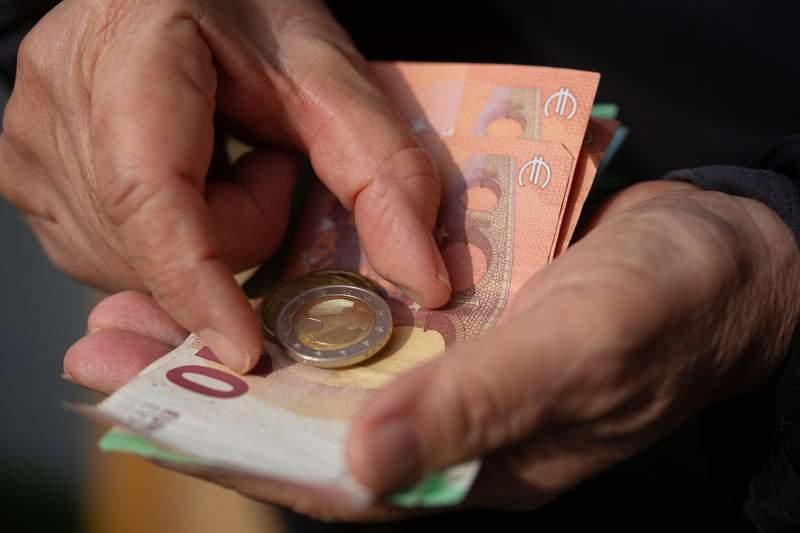
The digital euro is a proposed central bank digital currency that would be a secure, electronic form of cash issued by the ECB for the Eurozone, to complement physical banknotes and coins.
The aim is to establish a digital, free-to-use, universally accepted payment method for online and offline shopping or person-to-person transfers.
To date, there is no generally available open standard in Europe that is supported by all payment terminals. Instead, people depend on standards owned by international card schemes and global digital wallets.
The partnerships aim to use existing technical standards to process online payments with the digital euro.
ECB Director Piero Cipollone, who chairs the Digital Euro Task Force, says the bank is determined to ensure that the digital euro is compatible with existing European standards that can also be used by the private sector.
Cipollone says the aim is to offer a free European alternative, facilitate market entry for new European providers, and give merchants and payment service providers certainty for their investments.
The ECB has been working on a digital version of the European single currency for several years. It is intended to complement, but not replace cash.
Currently, US providers such as PayPal, Mastercard and Visa dominate the market for digital payments in Europe.
The ECB signed agreements with three companies and initiatives to facilitate future payments using the digital euro. It is teaming up with the European Card Payment Cooperation (ECPC), the Brussels-based non-profit association Nexo Standards, and the Berlin Group initiative.
The ECB is aiming to introduce its alternative to cash in 2029, with a pilot project for the digital euro scheduled to launch in 2027.
However, this requires the legal framework for the digital euro to be in place. A draft bill from the European Commission is still being debated in the European Parliament.