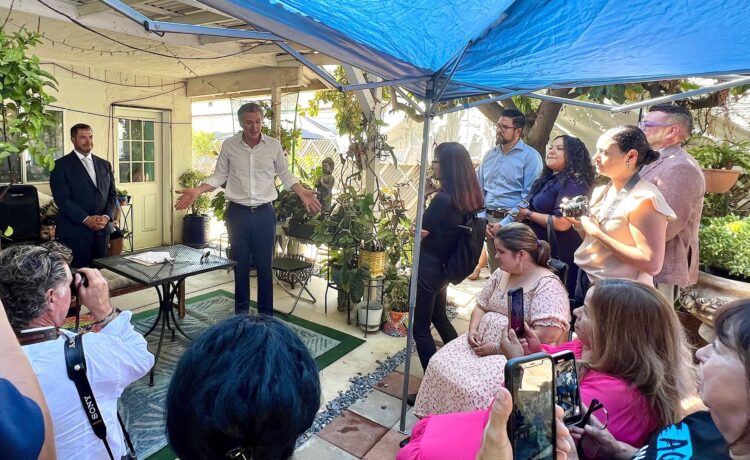
A proposal to fund a state drinking water program that has been a lifeline for communities in the San Joaquin Valley at $171 million passed by the Legislature Tuesday after a harrowing few days and now awaits Gov. Gavin Newsom’s signature.
The proposal is supported by a broad coalition of organizations, some of which typically find themselves on opposite sides of most issues.
But they came together to protect the Safe and Affordable Fund for Equity and Resilience (SAFER), which pays for emergency supplies when homes, and even whole towns, go dry and funds efforts to find long-term water solutions.
Just a few months ago, SAFER was all but gutted, left with $68 million. That’s less than half of its previous annual funding of $130 million.
Tom Collishaw, CEO of Visalia nonprofit Self-Help Enterprises, credited the coalition with helping turn SAFER’s fortunes.
“It’s an incredible group of stakeholders that you do not normally see on a letter together and I’d like to believe this made a difference,” he said. Valley legislators, including Sen. Melissa Hurtado, deserved credit as well, he added.
The proposal includes $71 million from the Greenhouse Gas Reduction Fund and $100 million from Proposition 4, a $10 billion bond passed in 2024 to protect residents from climate change, including drinking water protection.
The Greenhouse Gas fund, which had been SAFER’s main funding source, gets its money from pollution credits that refiners, power plant operators and manufacturers can buy to offset their emissions.
If those credit sales fall short, which they have, the state was supposed to backfill SAFER funding to keep it at $130 million a year. But that backfill duty was yanked last year during budget negotiations.
Collishaw said the constant state funding pendulum is tough.
“We are getting down to the cliff-hanging moments every year,” he said.
It’s not just SAFER funding.
Tulare County Resources and Grants Manager Denise England pointed to a slide presentation given by the Division of Financial Assistance at the July 7 state Water Resources Control Board meeting.
“It paints a grim picture of the next three fiscal years,” she said.
Namely, projected annual declines of 79% in state grants for drinking water and 84% in federal funding starting in 2027-28.
Meanwhile, there are still 1,052 failing or at risk water systems statewide that need money to make sure people are getting safe water, according to nonprofit Community Water Center.
Even the proposed $171 million funding workaround in front of Newsom will have some drawbacks.
Such as, Proposition 4 funding can’t be used to pay for emergency responses.
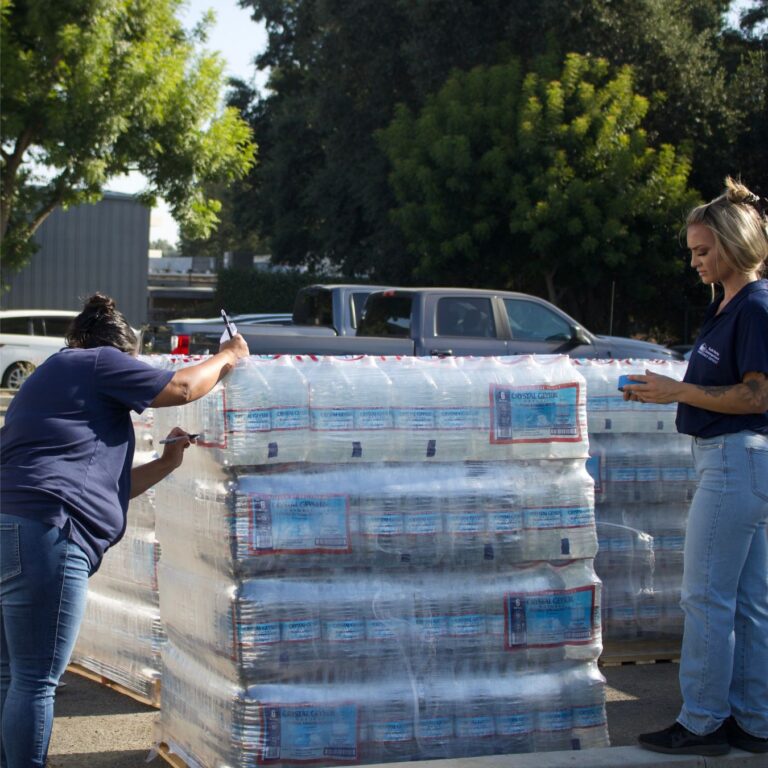
This past summer, two wells went out in Earlimart leaving about 8,000 residents desperate for water for nearly a month. Even if Proposition 4 money had already been in place, it could not have been spent getting water to those families.
England said Tulare County’s funding is drying up, as well, with its 2021 American Rescue Plan Act funding depleted.
“We are entering some scary times in our ability to address these problems.”
– Denise England, Tulare County Resources and Grants Manager Denise England
“Earlimart is so big, we don’t have resources to provide bottled water like we did for East Porterville during the drought of 2012 to 2016,” she said. “If there was sufficient money to go around, we wouldn’t have this level of competition for funds.”
Tulare County has several water-strapped communities it is working with, including East Orosi, where a new water system to address nitrate-contaminated groundwater is being installed after more than 20 years. And overseeing a revamp of the Plainview water system northwest of Porterville.
“We are entering some scary times in our ability to address these problems,” England said, adding if drought returns, the county could declare an emergency.
“We haven’t reached that point yet and I hope we don’t.”
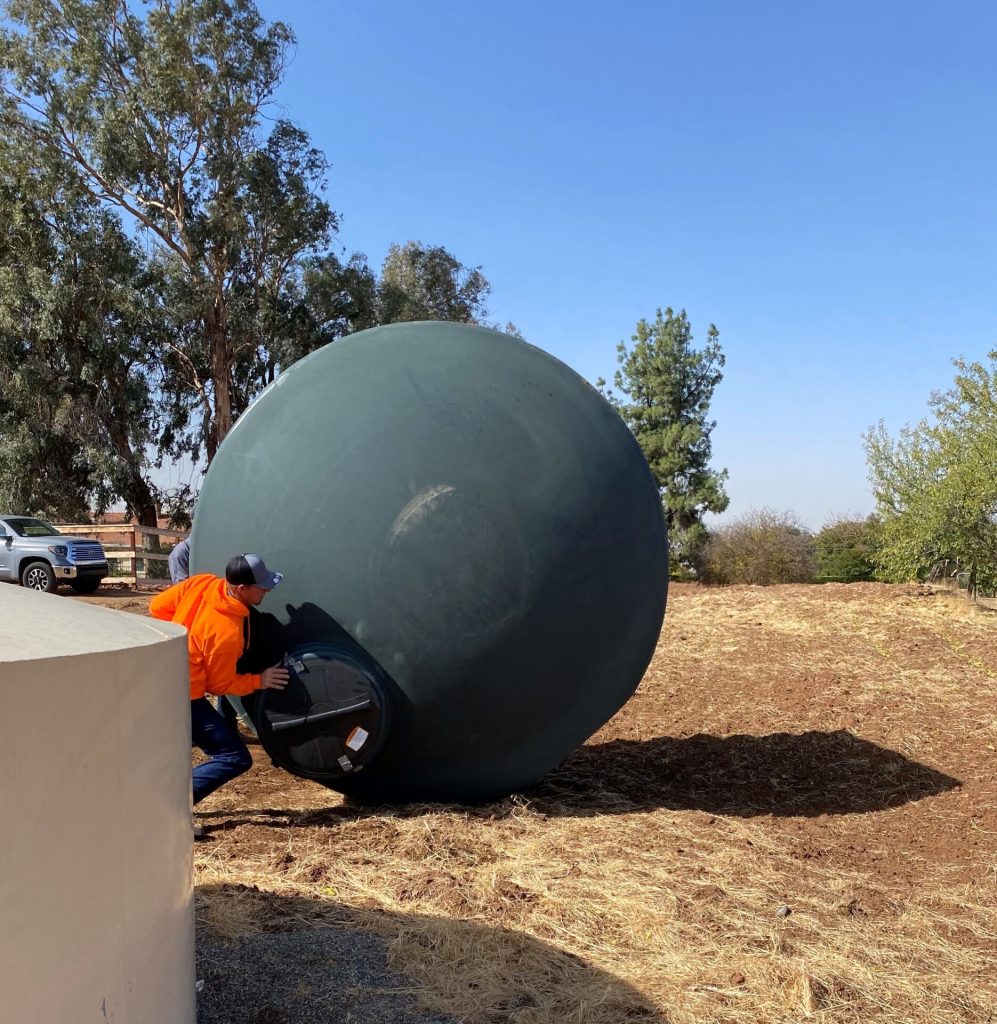
Collishsaw said Self-Help Enterprises still has 700 emergency water tanks deployed, and drills about 250 to 300 new water wells a year.
He estimates Self-Help, which has a long-term SAFER contract funded through next year at $35 million, has at least three years worth of work providing a range of services.
“If we have another drought phase, I don’t know what demand is going to look like,” he said.
But Collishaw said consensus across the San Joaquin Valley is giving him hope.
“You always feel like you’re fighting over scraps.”
The draft fund expenditure plan for the Safe and Affordable Drinking Water Fund will be posted for 30-day public comment on Sept. 25. Comments are due Oct. 26. The state water board will consider the matter at its Nov. 17 meeting.