Guthrie, Oz promote rural health funding in Glasgow visit
Published 2:11 pm Friday, September 4, 2026
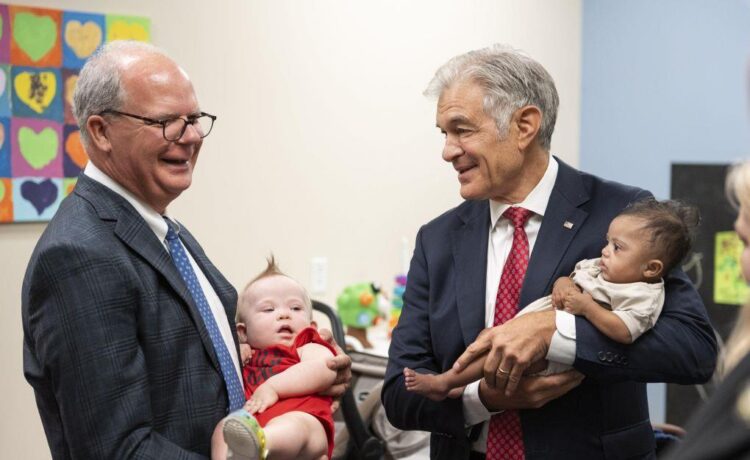
GLASGOW — U.S. Rep. Brett Guthrie, R-Ky., and Centers for Medicare and Medicaid Services Administrator Dr. Mehmet Oz visited T.J. Health Pavilion in Glasgow on Friday morning to meet with health care administrators and discuss how rural health care in the area may be transformed through the newly-created Rural Health Transformation Program.
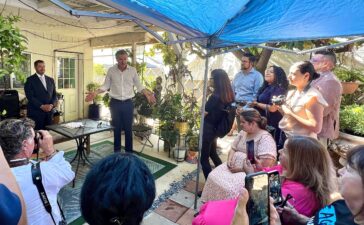
The Congressman and Oz walked through the Glasgow facility, speaking with workers and parents in the pediatric section about issues concerning access to health care, then spoke with reporters about the potential effects of the program, which was created with the passage last year of the One Big Beautiful Bill Act and establishes a $50 billion rural health fund.
Kentucky will be allocated close to $213 million this October in the first year of the five-year program, money established through the passage of the Working Families Tax Cuts law.
“This fund was designed to try to reshape, reimagine and reform rural health care,” Oz said at a press conference. “It’s a dramatic, seismic shift in the financing of health care in rural America.”
Guthrie, who chairs the House Committee on Energy and Commerce, which oversees health care, has said the program will help sustain rural health care providers for years to come.
Under the program, each state is responsible for how its funds are implemented, having submitted detailed grant applications that were evaluated by the Centers for Medicare and Medicaid Services through a blind review.
Email newsletter signup

The money that states get will be recalculated from year to year, and Oz said the administration can claw back funds if states do not enact policies that were outlined in funding applications.
“If the money is not used the way it was promised to be used, we will take the money back and give it to other states who are doing what they promised they would do,” Oz said. “We have the right to take some of that money back, but that’s actually to empower the governors of America … because if you can tell your staff, your legislature and committee of health that if they don’t do something that makes sense to the people of that state that they’re going to lose money, it’s a little bit of a nudge and becomes a crowbar if it needs to be to get things done.”
Oz and other federal officials have said that program amounts to a 50 percent increase in Medicaid investments in rural health care over the next five years, and the funding can promote preventative health initiatives that can ultimately reduce costs within the health care system through treatment of chronic illnesses.
Critics of the bill that created the program point to the nearly $1 trillion in cuts to Medicaid while also instituting work requirements, minimum co-pays and more frequent eligibility checks as impediments for financially struggling hospitals.
Kentucky Gov. Andy Beshear has claimed that the changes to Medicaid threatens 35 rural hospitals in the state with high Medicaid patients and negative profit margins with closure.
Guthrie said the program will help introduce innovative health care solutions at rural hospitals while working to cut waste, fraud and abuse in government health programs.
“As we go through a lot of misuse of Medicaid dollars, we want to make sure they’re applied directly to help rural hospitals and we’re going to continue to work to do that,” Guthrie said.
Rather than new construction, Oz said that the funding is meant to shore up operations at existing rural facilities.
“Normally a hospital that’s having problems has lost its senses … people in that town are driving by that facility, they’ve lost confidence that they can get high-quality care there, so if you elevate the quality of the experience in the hospital, then you change that dynamic,” Oz said. “The money is designed to be as innovative and as creative as you can be.”