
U.S. Treasury Secretary Scott Bessent is pulling out all of the stops in a scramble to pacify the bond market and subdue its surging yields, including trying to keep the currency of America’s biggest debtholder afloat.
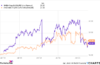
The Japanese yen has been on a downward spiral, reaching a four-decade low in July after years of post-covid decline. Later that month, Bessent moved to buy up estimated billions of the tender — the first time the U.S. has done so for this purpose in 30 years — one of many recent attempts to revive the yen.
Must Read
Like interventions in the bond market here at home, the purchase brought about some immediate relief, but questions remain about its long-term efficacy in the face of a market that some argue we should simply “let speak.”
Bessent defends the decision
Bessent recently shared some choice words for those doubting his strategy.
Speaking during an event in Texas on Sept. 8, the official defended his attempts to sustain U.S. treasuries by supporting the yen and hopefully preventing the Japanese government from having to sell off any of its $1.1+ trillion in American securities to boost its currency itself.
“I am the house now, so when we intervene with the Japanese yen, I have pretty good insight into what the Japanese, what the Bank of Japan is going to do, what Japanese policymakers are going to do,” Bessent said, according to Bloomberg. “And you can bet against me if you want.”
“Whenever people say, ‘Oh, well, Treasury Secretary is taking a risk,’ — well, it’s my dream, I have asymmetric information,” he added.
The two-fold move of shoring up the yen
A confluence of factors has plunged U.S. government securities into troubled waters in 2026, from the economic and geopolitical uncertainty that has prompted investors to sell, thus weakening demand and driving up yields, to the bonkers flow of capital out of traditionally stable assets like bonds and into more appealing financial vehicles like equities in the shiny AI boom.
The efforts to buoy the Japanese banknote will, by pushing the Bank of Japan to raise its interest rates instead of trading U.S. holdings, hopefully prevent further blows to America’s bond market — and thus U.S. lending rates, which move in tandem with treasury yields and have an inverse relationship to bond prices. It also serves to keep global markets steady, signal policy through coordinated cooperation between governments and aid what Bessent calls a “trusted partner.“